De Koog – Plots near Pontweg
Texel, Netherlands
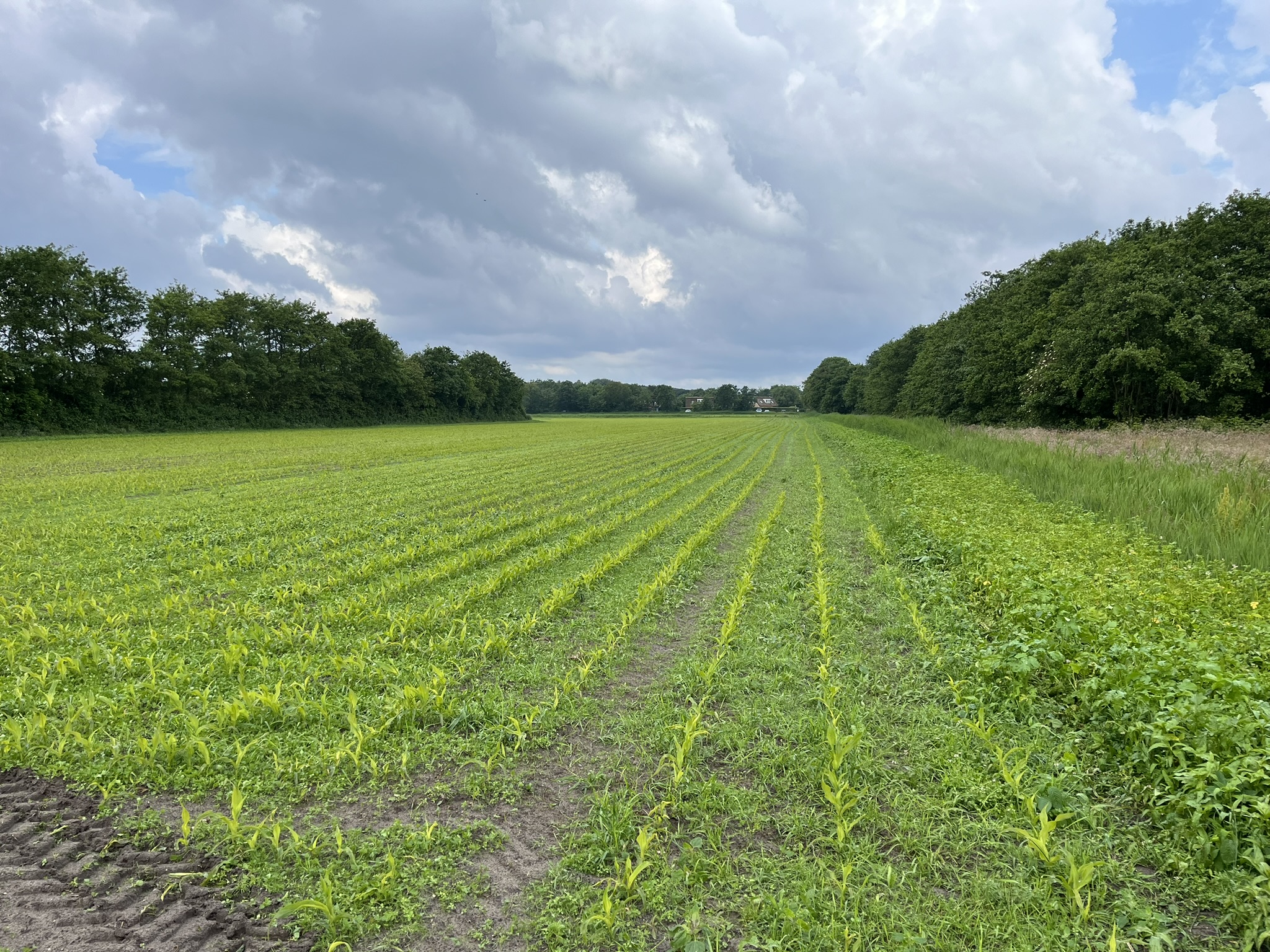
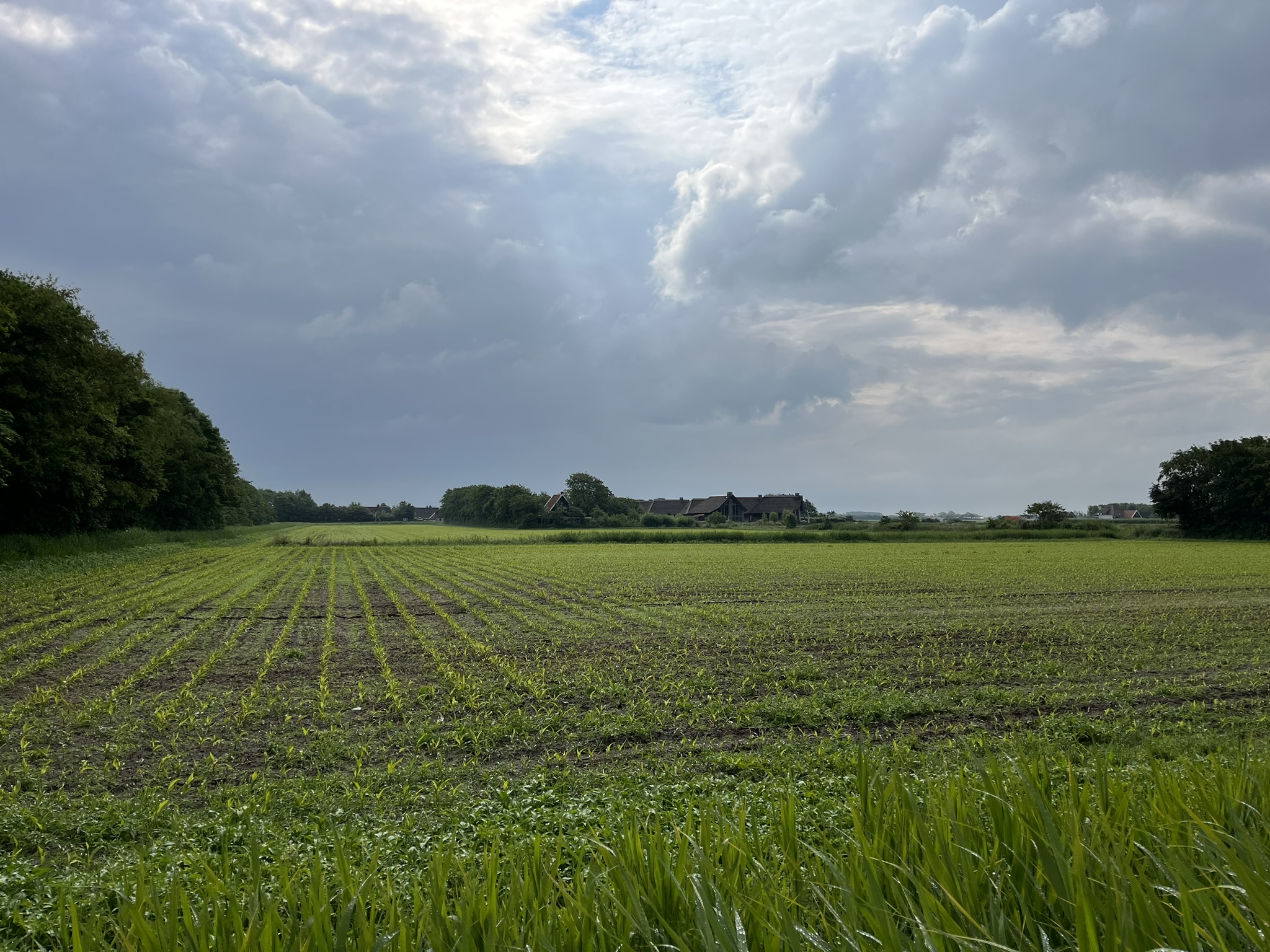
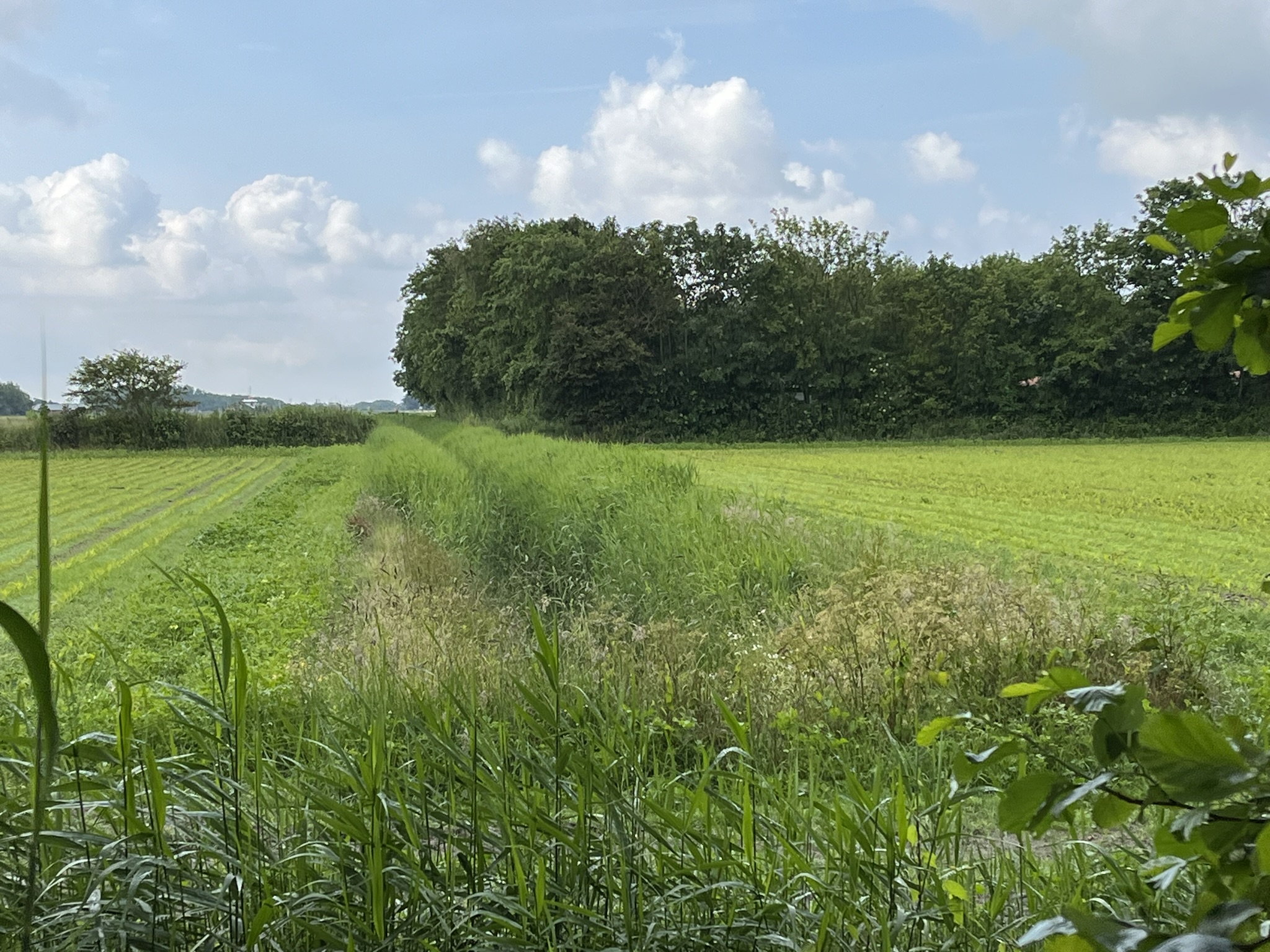
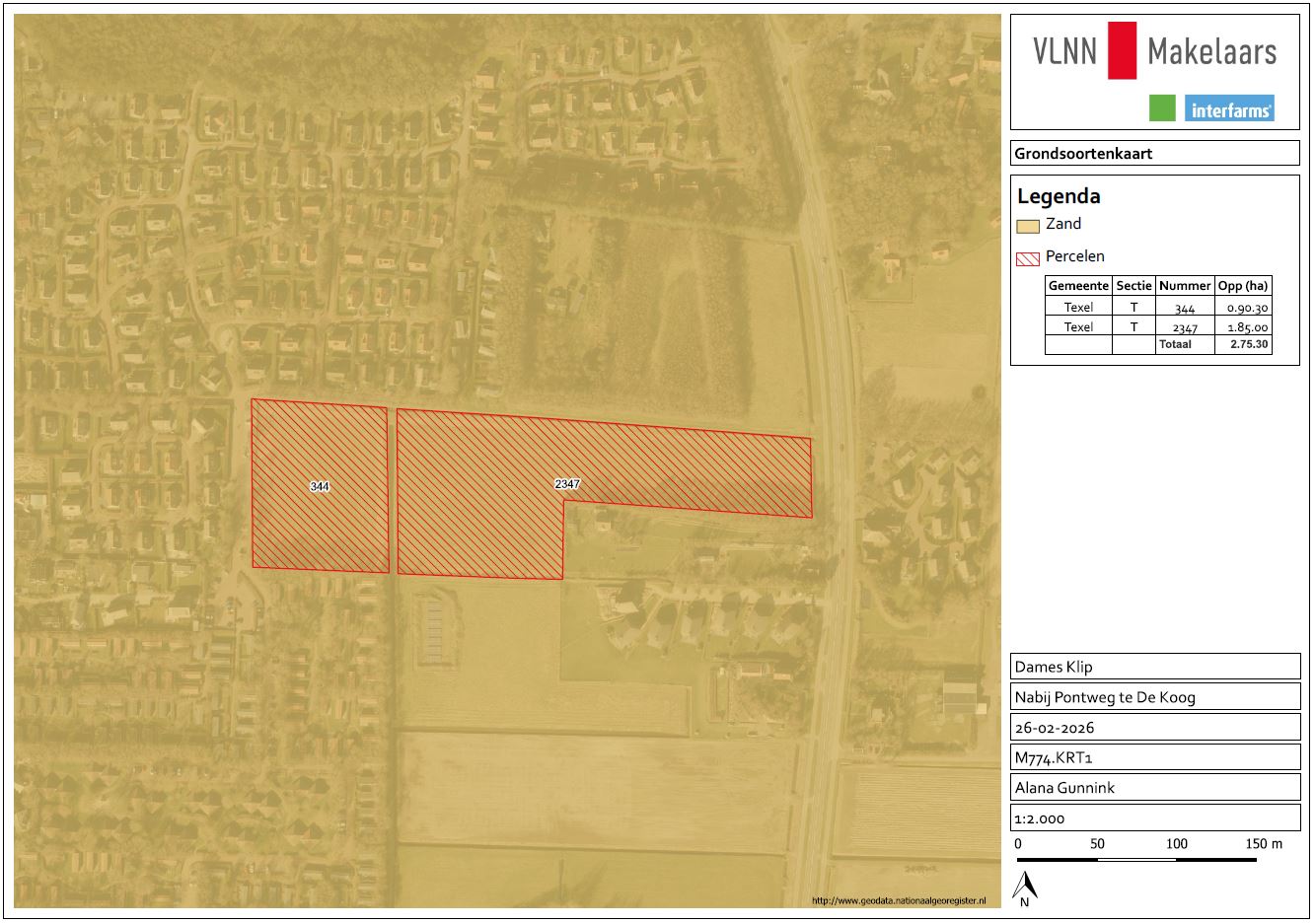
Approx. 2.7 ha arable land / potential development site (partly suitable for bulbs) located near Pontweg in De Koog on Texel.
Characteristics
Characteristics
Description
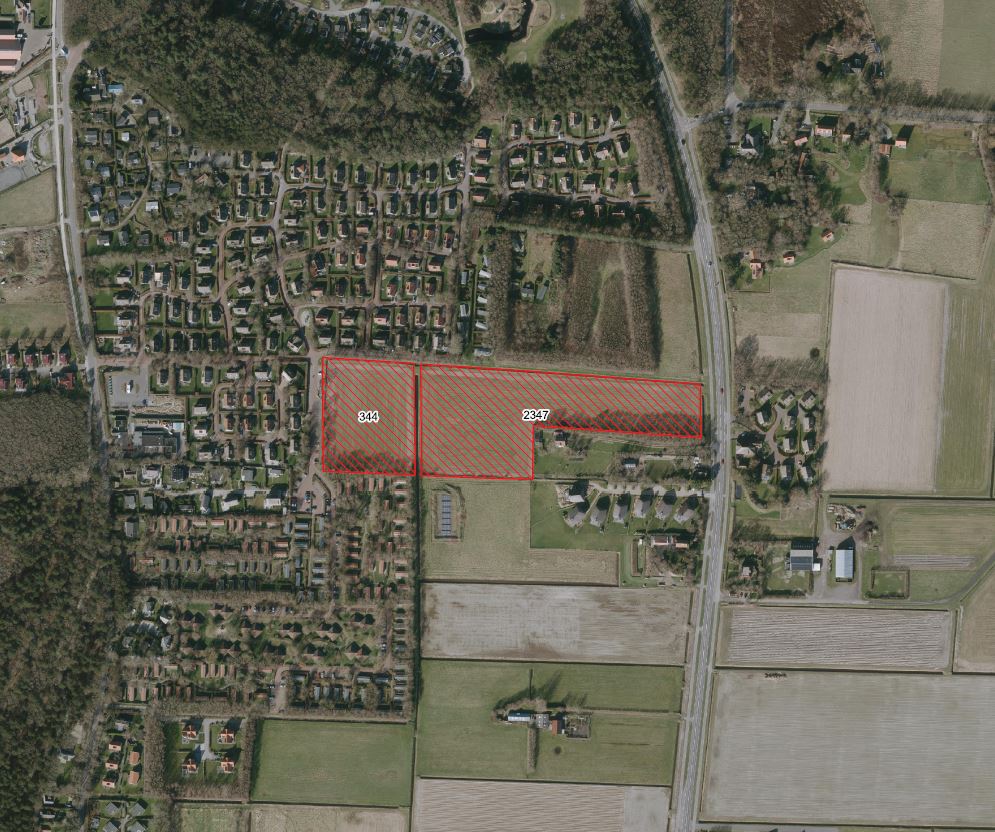
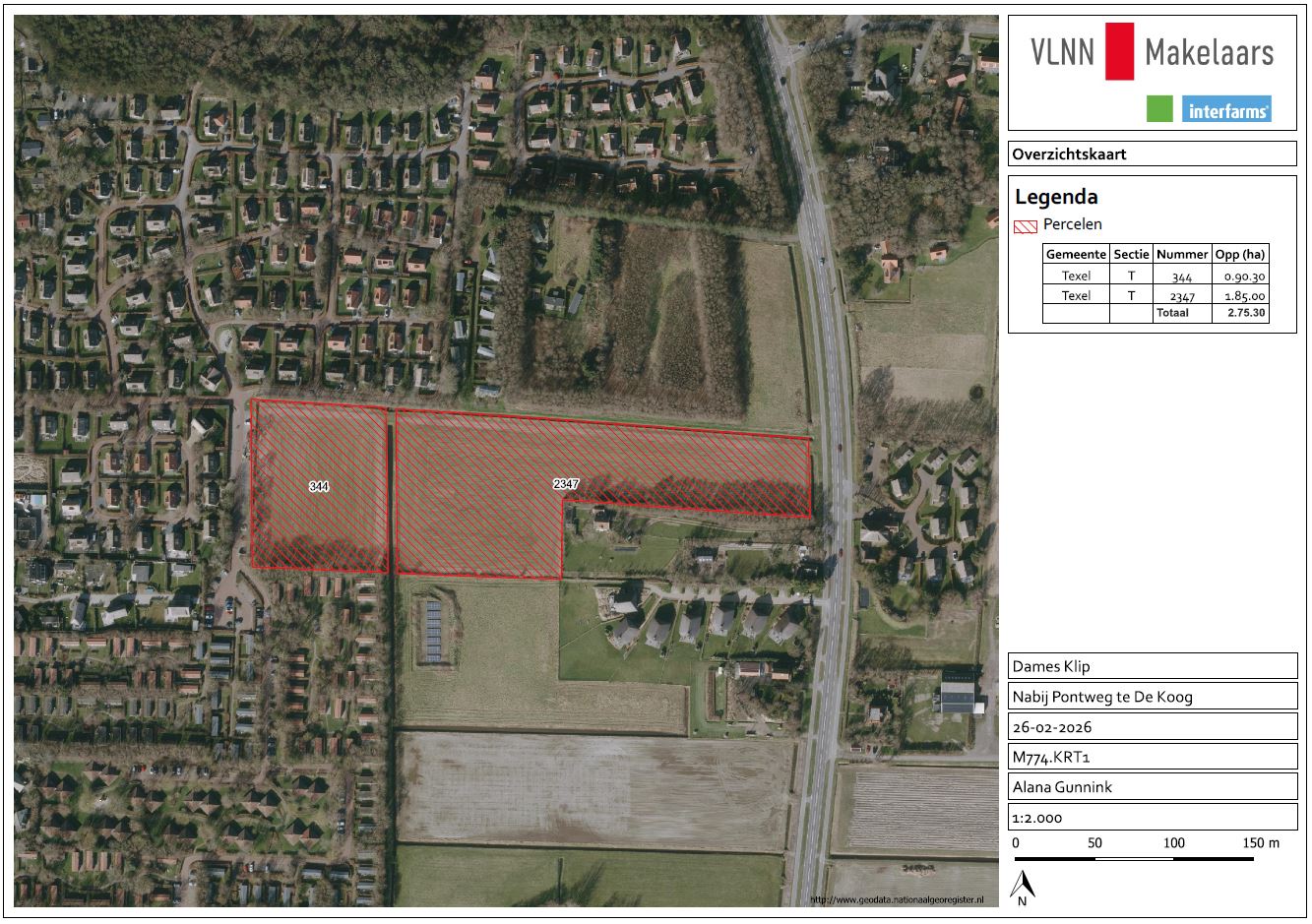
The two adjacent parcels of agricultural land are located near Pontweg 197 in De Koog and border the Kustpark Texel bungalow park, centrally on the island, a short distance from the village area of De Koog. The Pontweg forms an important connecting route between Den Burg and De Koog.
The parcels are currently used for the cultivation of arable crops and bulbs. Due to the fertile soil and good drainage, various crops are possible.
The location is suitable for a (potential) development site, given the adjacent bungalow park.
Cadastral size:
Texel T 344 – 0.90.30 ha
Texel T 2347 – 1.85.00 ha
together 2.75.30 ha
Declared parcels (measured size Boer&Bunder): 2.3203 ha
Soil type: sand
Legal soil type: sand
Crop rotation: summer barley
Drainage: drained, partly at 11 meters, 7 meters, 8 meters, 8 meters, and 10 meters
Zoning plan: main designation ‘Agricultural – Inland Dune Area’
Actual use: arable land
(Soil) contamination, invasive crops, soil diseases or nematodes: unknown
Real rights: none
Asking price: € 435,000,- costs payable by buyer.
Brochure available.
We strive to contact you within 48 hours.

The Netherlands
With a population of over 17 million and an area of 41,543 km², the Netherlands has a high population density of 504 per km². About 18% of its surface area consists of water, and a significant portion of the land and population is located below sea level. The country is protected from water through a system of dikes and waterworks. Polders have been created through land reclamation. The landscape of the Netherlands is flat almost everywhere. The Dutch landscape mainly consists of cultural landscapes and managed nature reserves. Over the centuries, not only has the natural environment changed, but due to the shrinking and fragmentation of habitats and environmental pollution, both the quality and quantity of nature have deteriorated. Efforts are being made through nature policy and private initiatives to reverse this trend.
Through diversification in agriculture, entrepreneurs must also try to generate income from non-agricultural activities. These include agricultural nature and water management, agro-tourism, and care farms.