ONLINE REGISTRATION: Plots of agricultural land on Oude Molenweg in Waspik
Noord-Brabant, Netherlands
Characteristics
Characteristics
Description
ONLINE REGISTRATION:
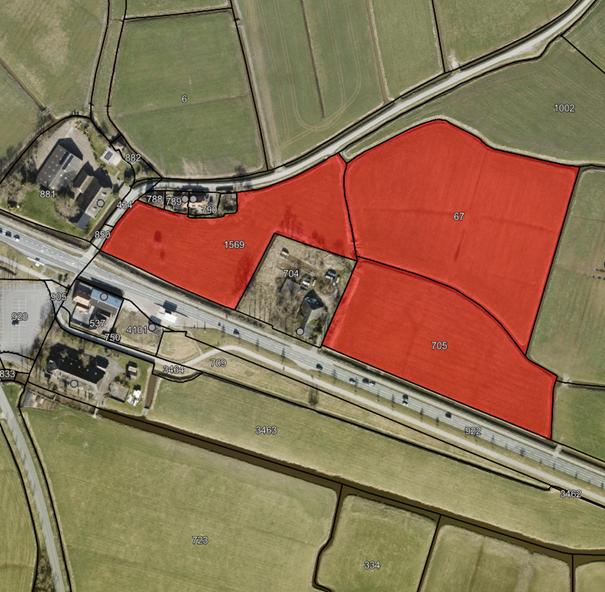
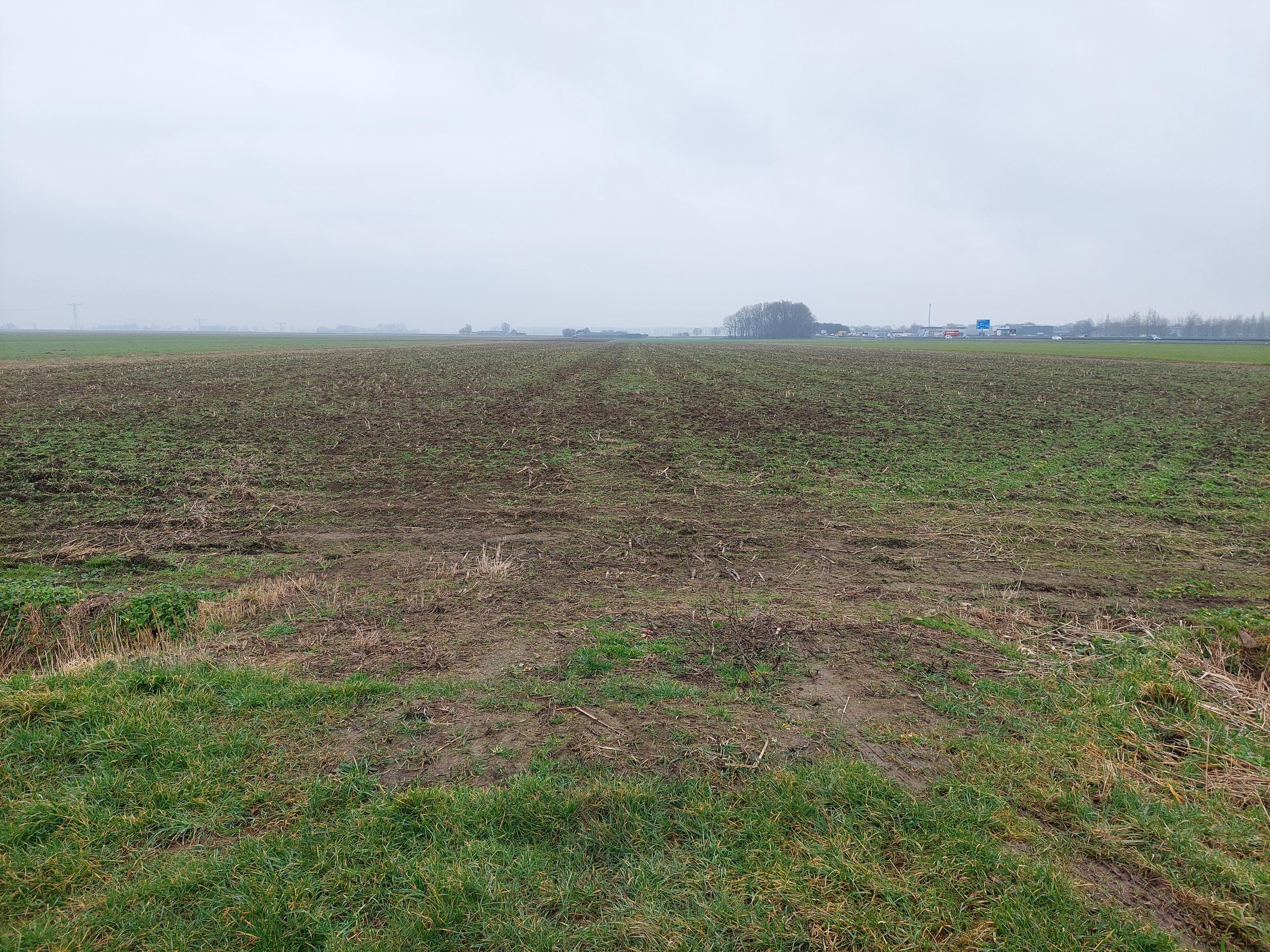
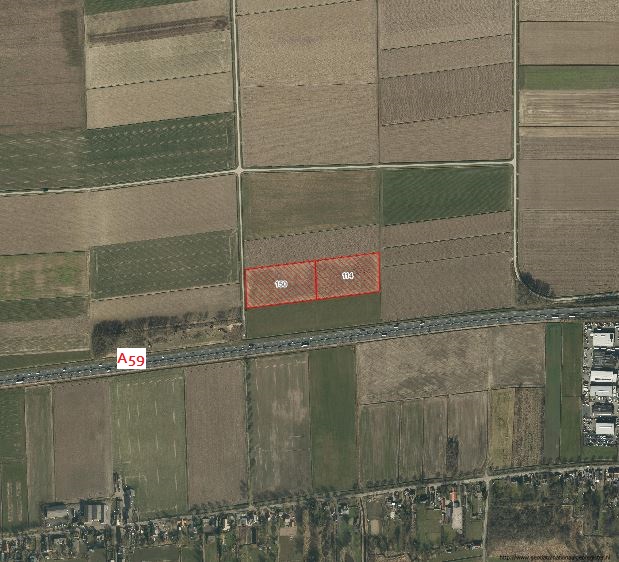
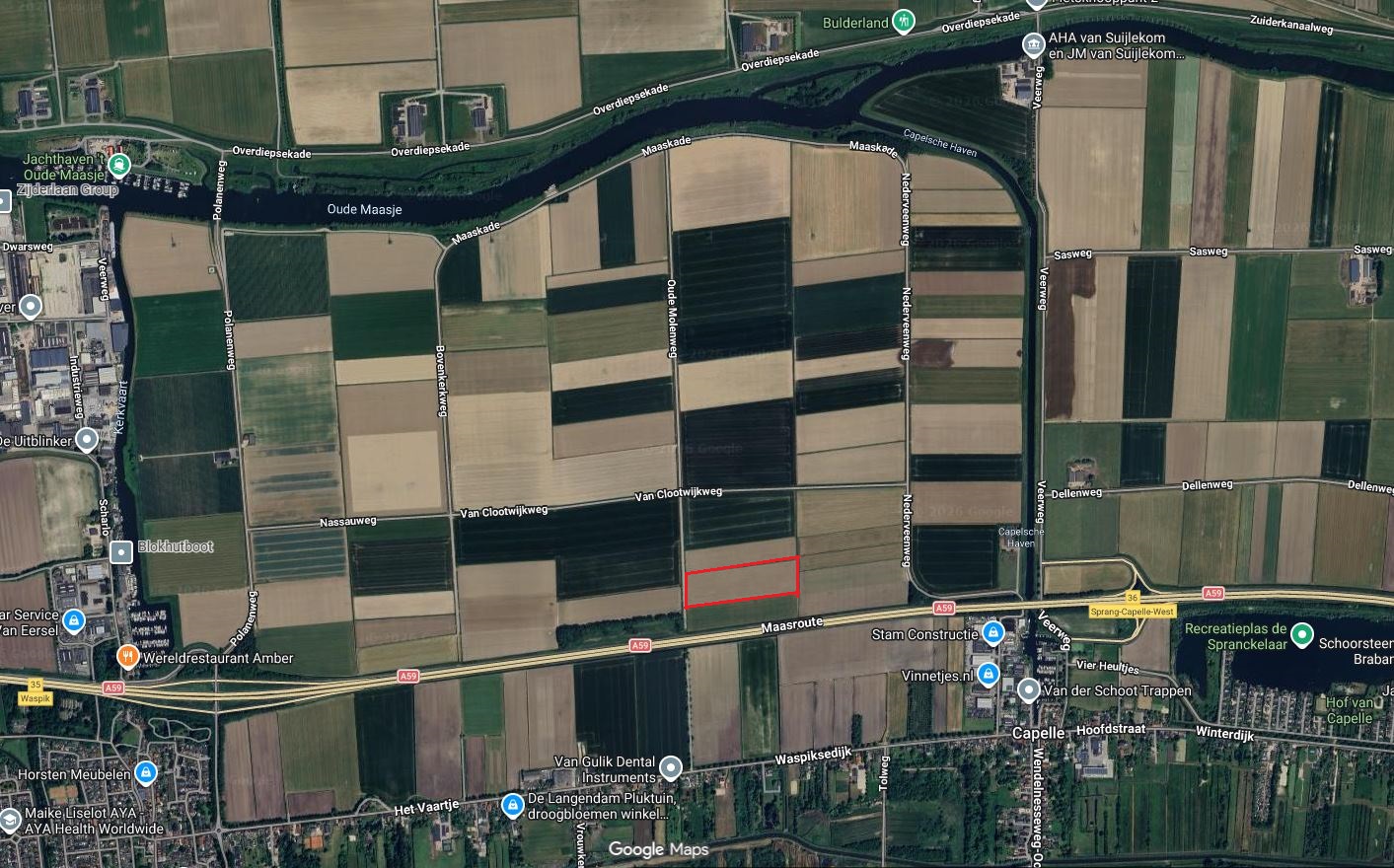
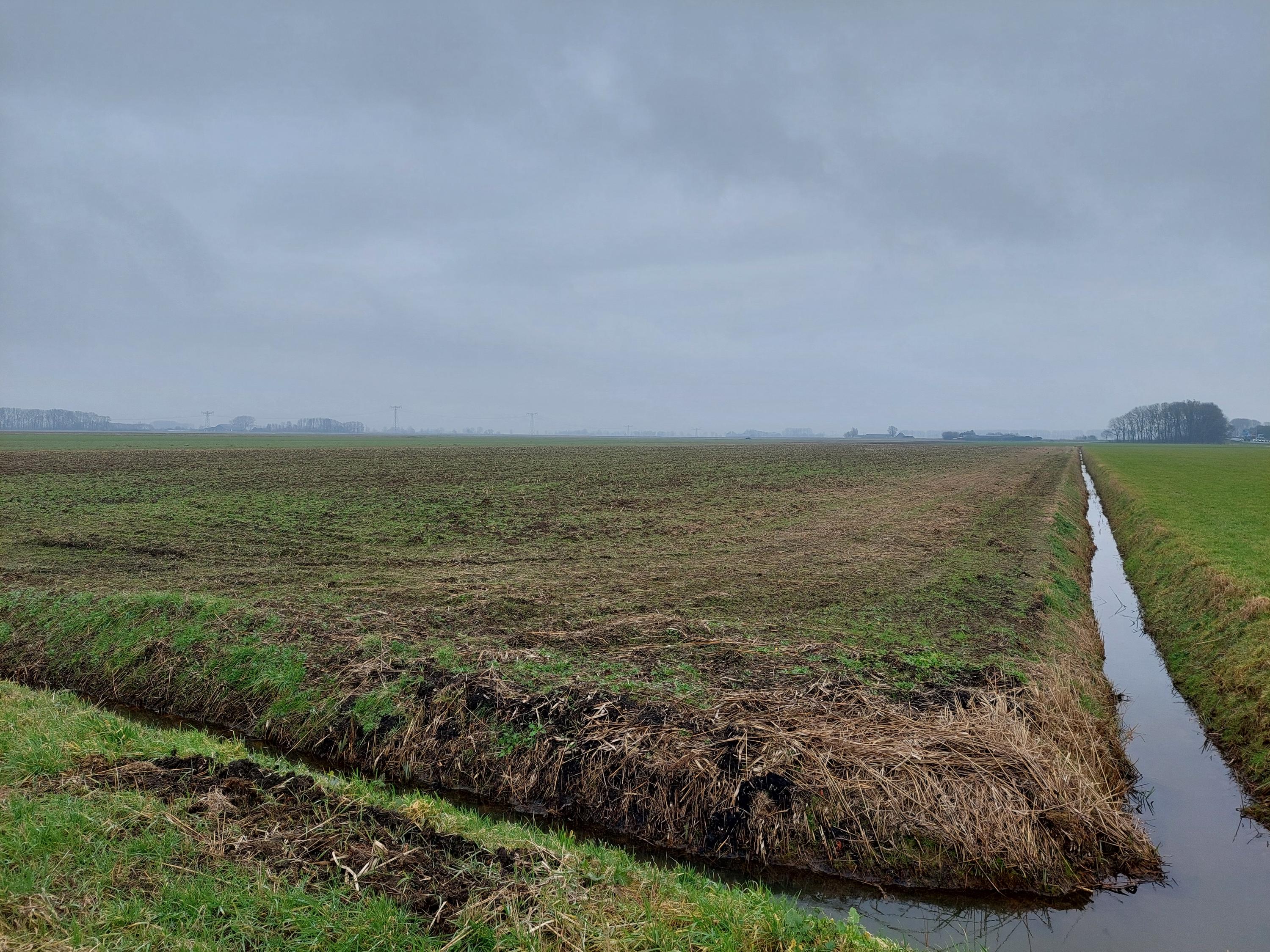
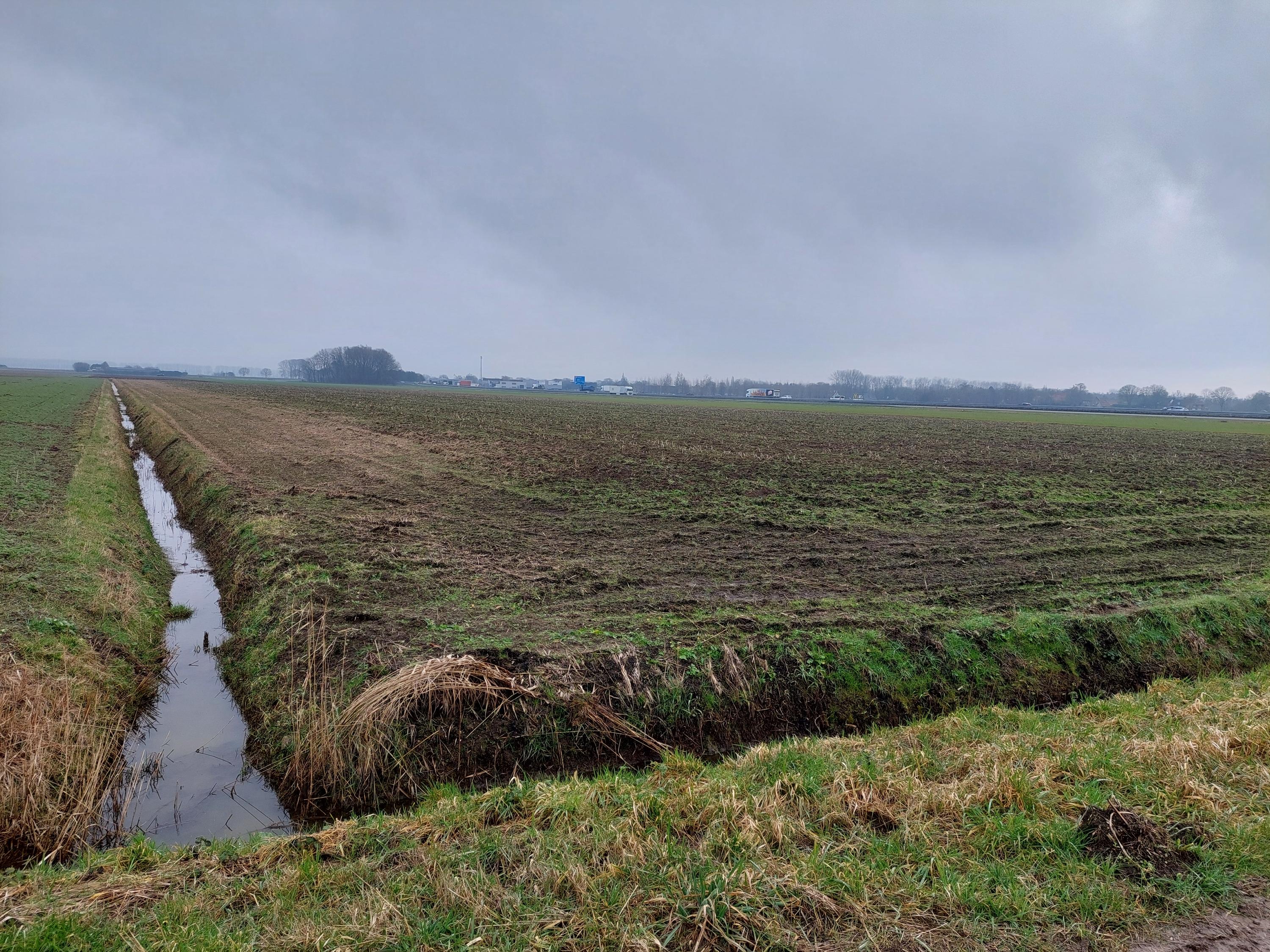
3.23 ha arable land/cropland (2 adjoining cadastral parcels) located on Oude Molenweg in Waspik
Capelle N 114, size 1.53.20 ha
Waspik N 150, size 1.69.80 ha
Soil type: light clay
Legal soil type: clay
Declared size: 3.1194 ha (declared together)
Crop rotation: 2025-2023 maize, 2022 potatoes
Private access to Oude Molenweg, convenient location, no drainage, water drainage via surrounding waterways. No contamination or invasive crops known.
Environmental law/zoning: Agricultural with values – Openness
No real rights. No hunting rights.
The parcels can be viewed independently from Oude Molenweg.
Price from: € 12.50 /m².
Costs for buyer.
Seller reserves the right to award.
Online registration
The parcels are offered together as one lot.
Only online bidding via vlnn.nl.
Bids with total amount, in whole euros.
Selection criterion: most optimal bid (combination of bid amount and any conditions/cancellations). Bids without conditions are preferred.
All information (including about the online registration procedure) and reports can be found in the brochure and/or on the website vlnn.nl.
Online registration via website vlnn.nl.
Start online registrations: Monday, February 23
Closing online registrations: Monday, March 9 at 16:00
Provisional award: Friday, March 13
Notarial transfer: preferred Friday, April 10
For more information: Jorden Oostdam 06-54744233.
We strive to contact you within 48 hours.
The Netherlands
With a population of over 17 million and an area of 41,543 km², the Netherlands has a high population density of 504 per km². About 18% of its surface area consists of water, and a significant portion of the land and population is located below sea level. The country is protected from water through a system of dikes and waterworks. Polders have been created through land reclamation. The landscape of the Netherlands is flat almost everywhere. The Dutch landscape mainly consists of cultural landscapes and managed nature reserves. Over the centuries, not only has the natural environment changed, but due to the shrinking and fragmentation of habitats and environmental pollution, both the quality and quantity of nature have deteriorated. Efforts are being made through nature policy and private initiatives to reverse this trend.
Through diversification in agriculture, entrepreneurs must also try to generate income from non-agricultural activities. These include agricultural nature and water management, agro-tourism, and care farms.