Characteristic Frisian farmhouse with horse accommodation
Friesland, Netherlands
Characteristics
Characteristics
Description
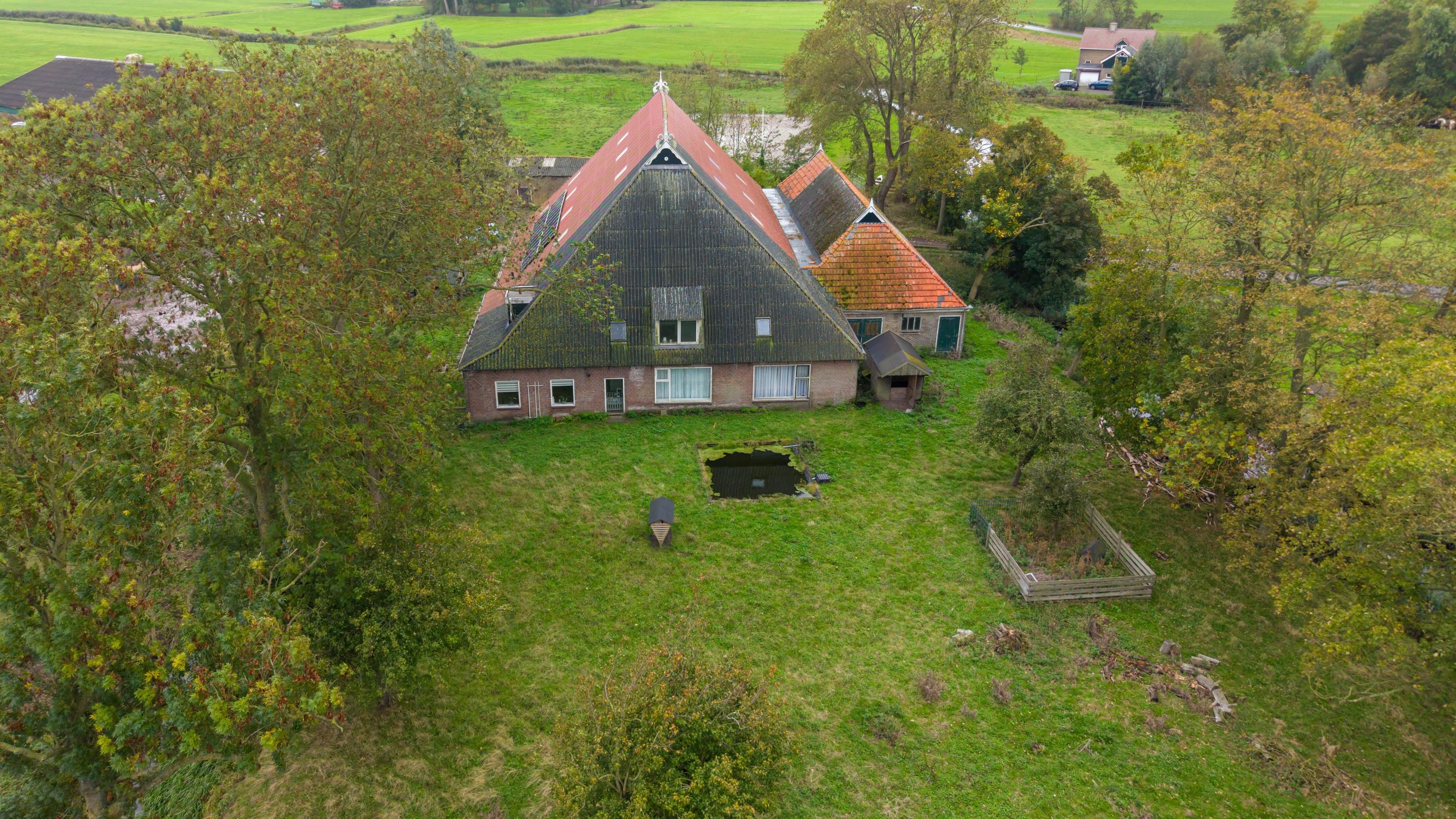
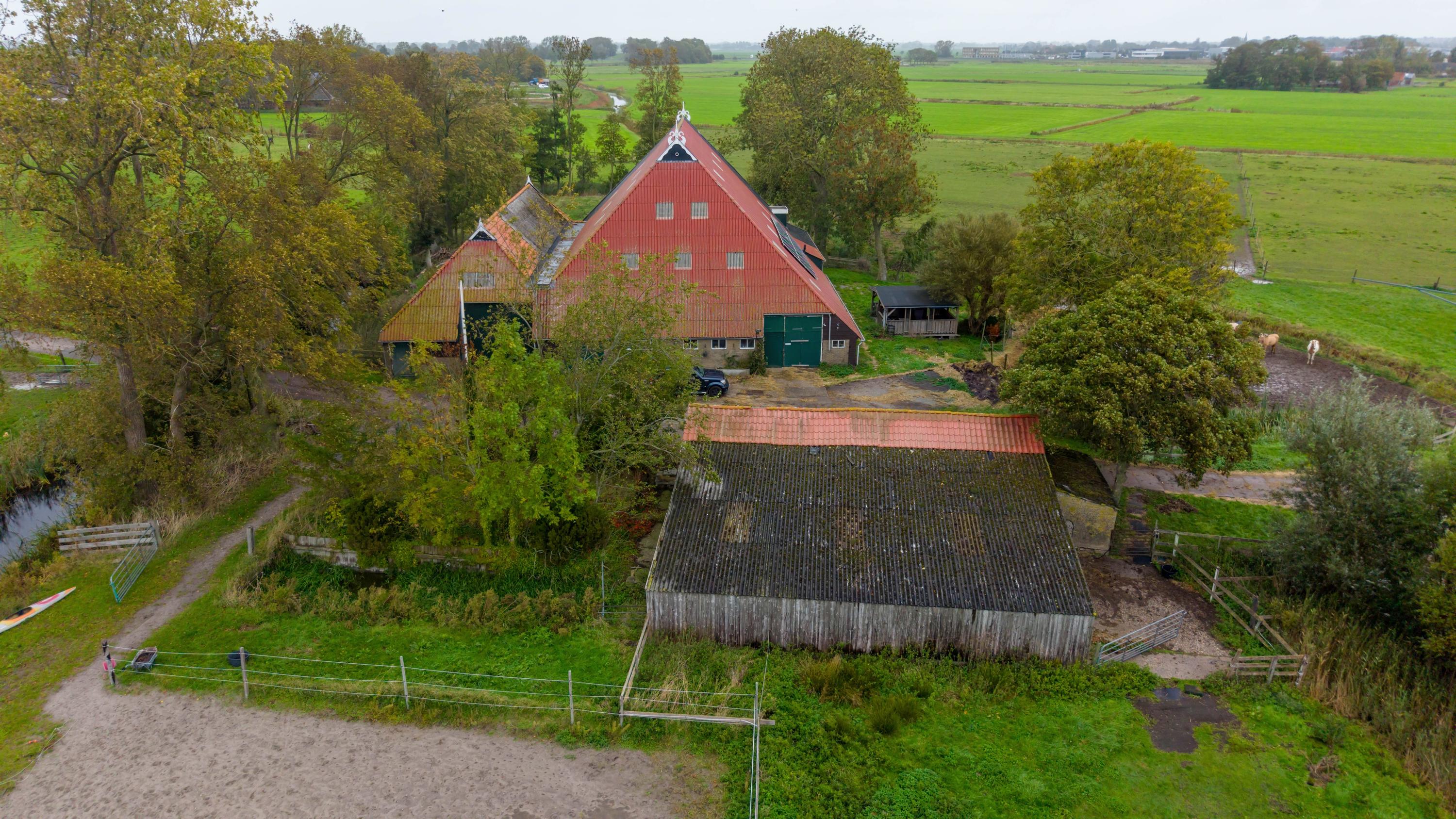
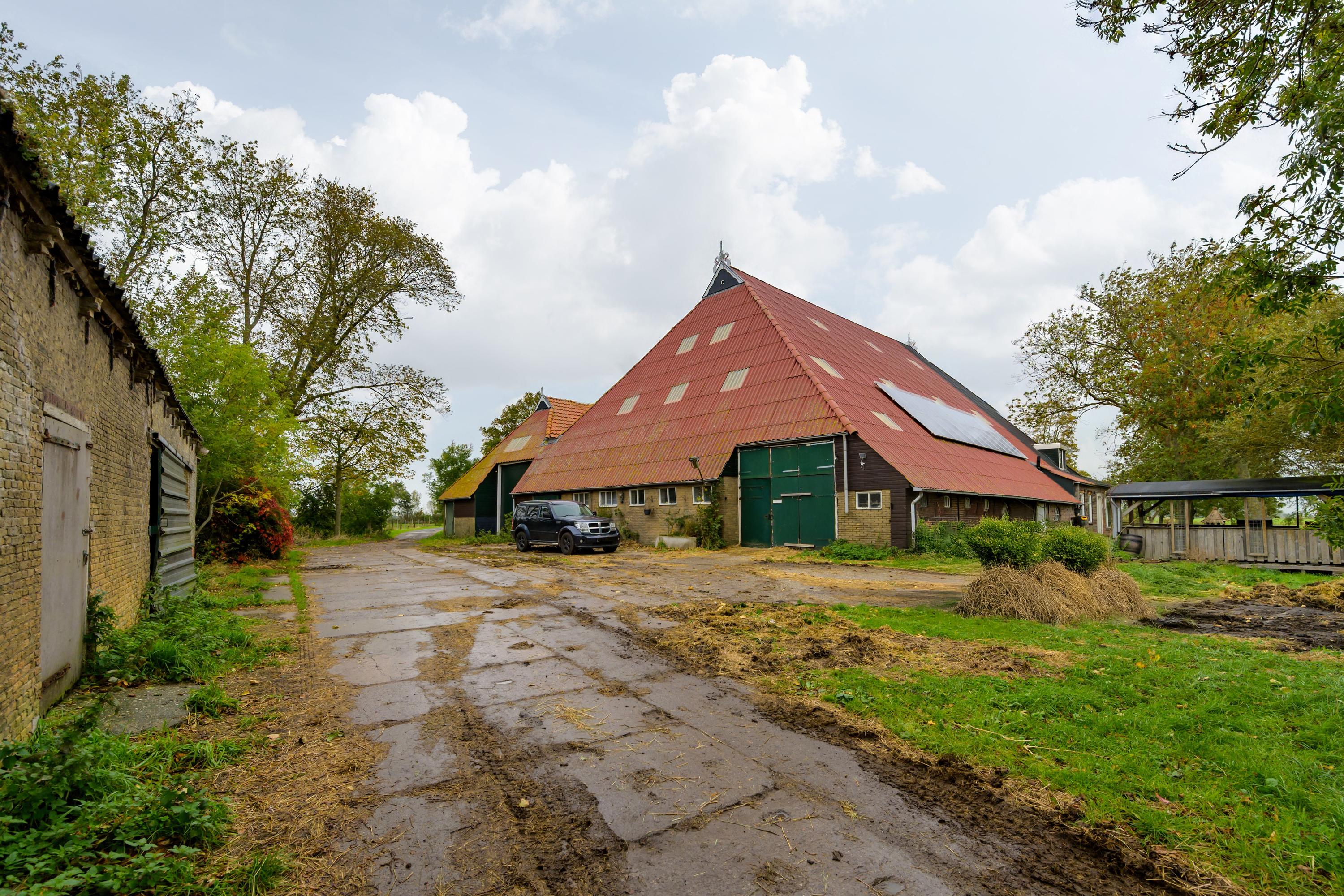
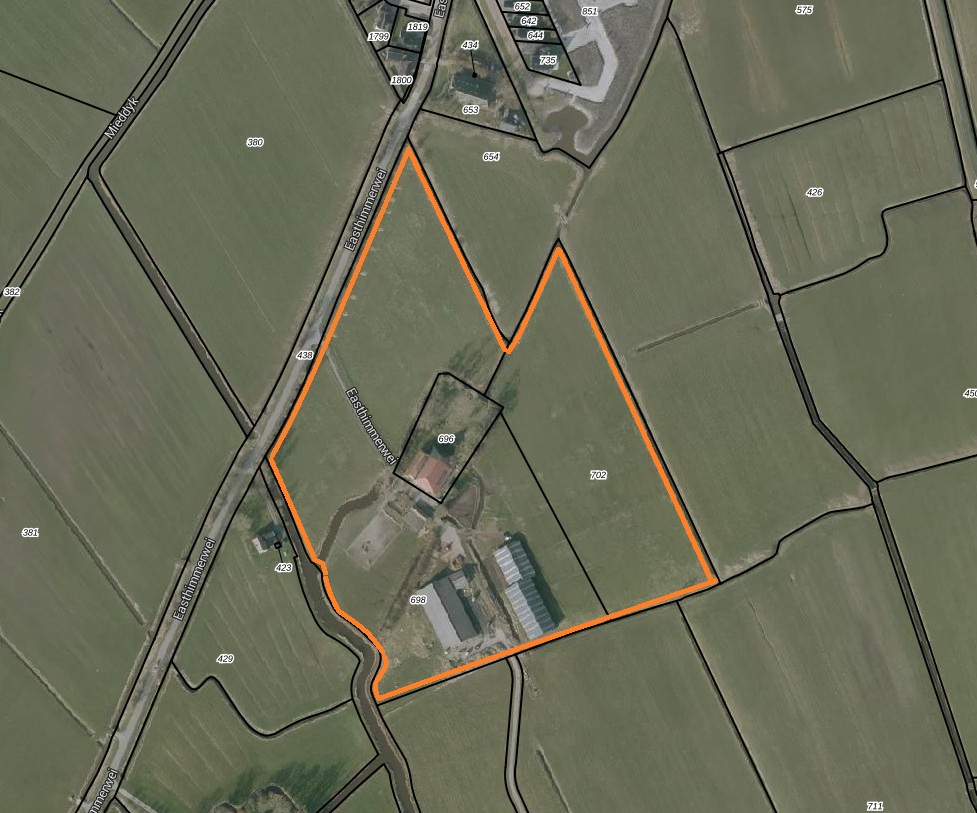
This unique traditional farmhouse, originally built around 1800, is located in the charming Frisian countryside, just outside the village of Folsgare. The farm exudes history, character and rural tranquillity - a unique place for horse lovers. The property is also ideal as a location for young cattle, for example.
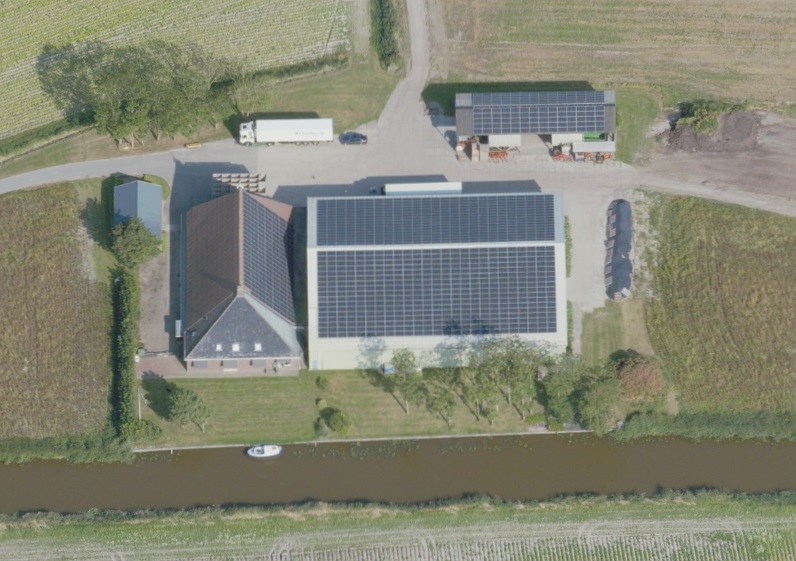
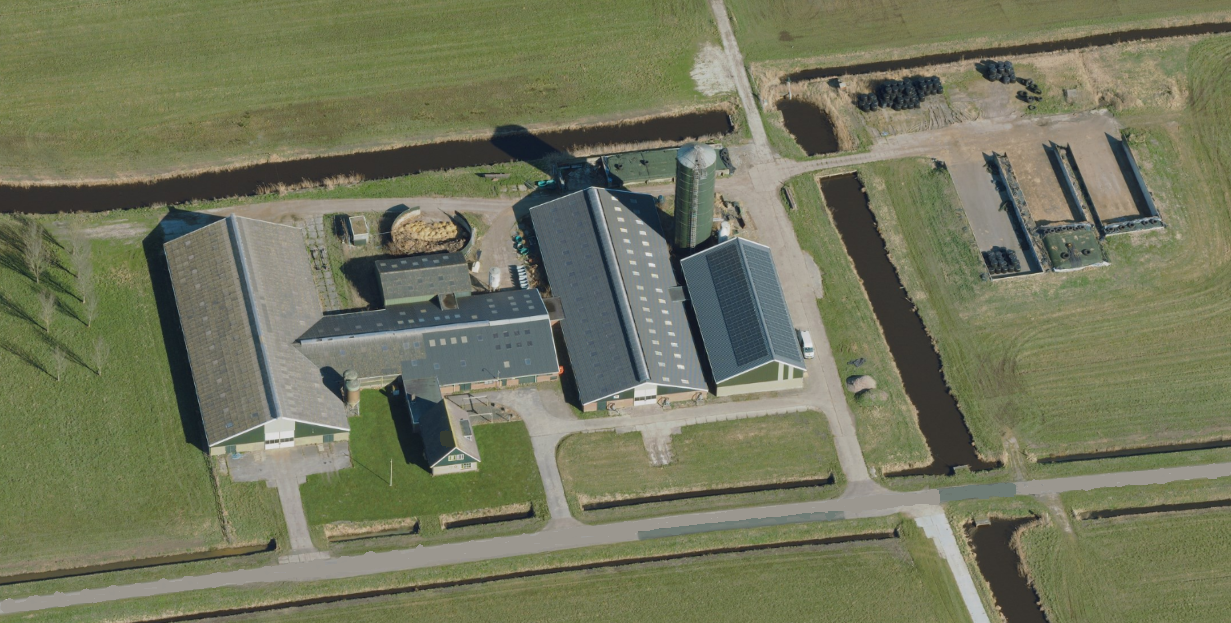
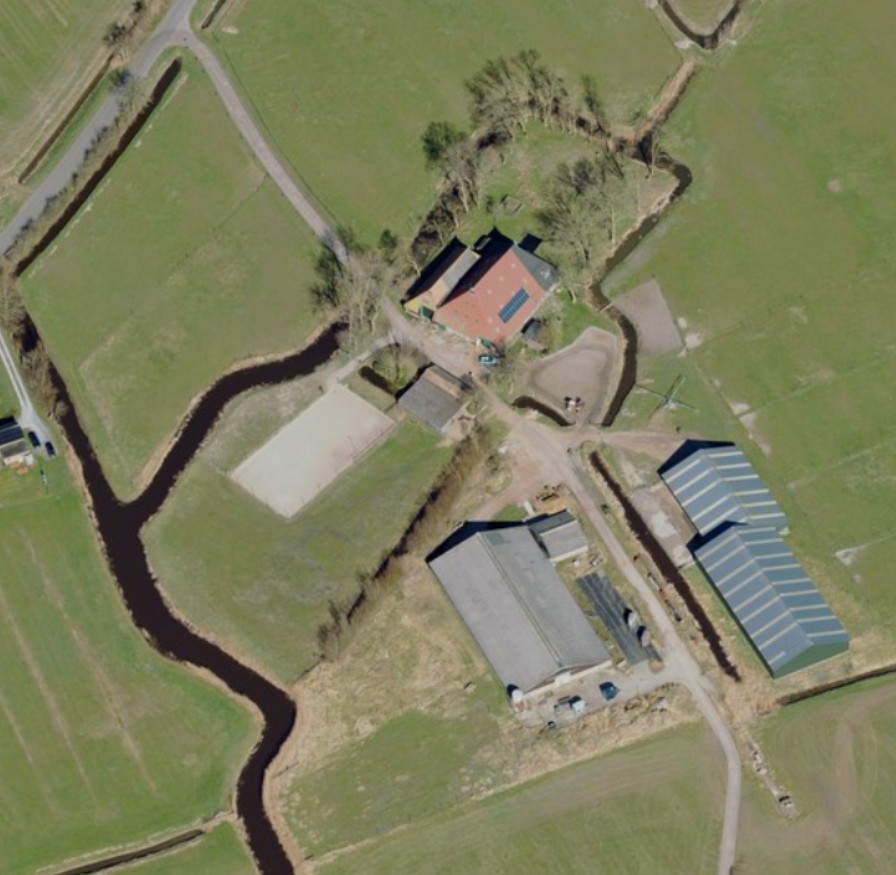
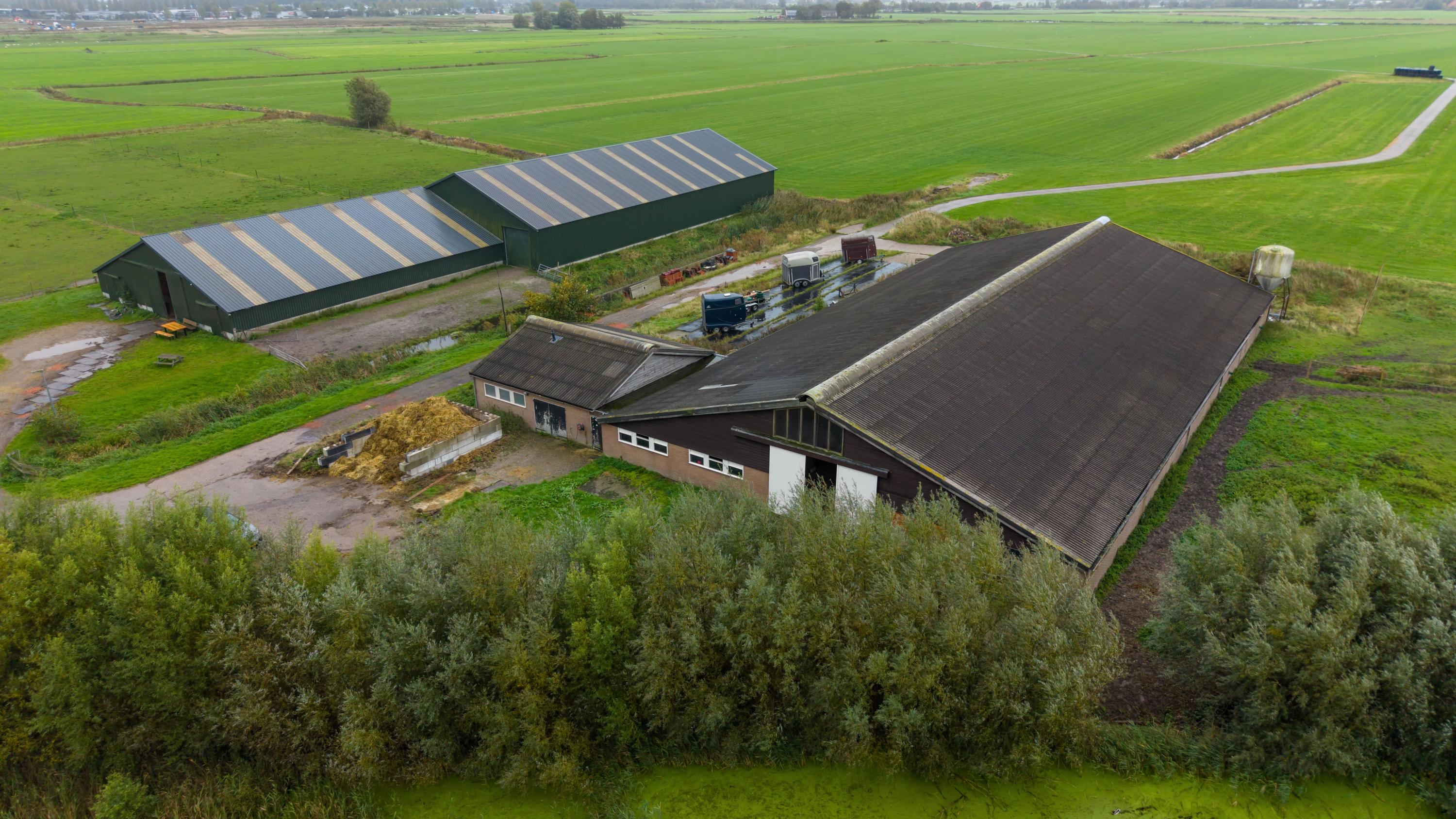
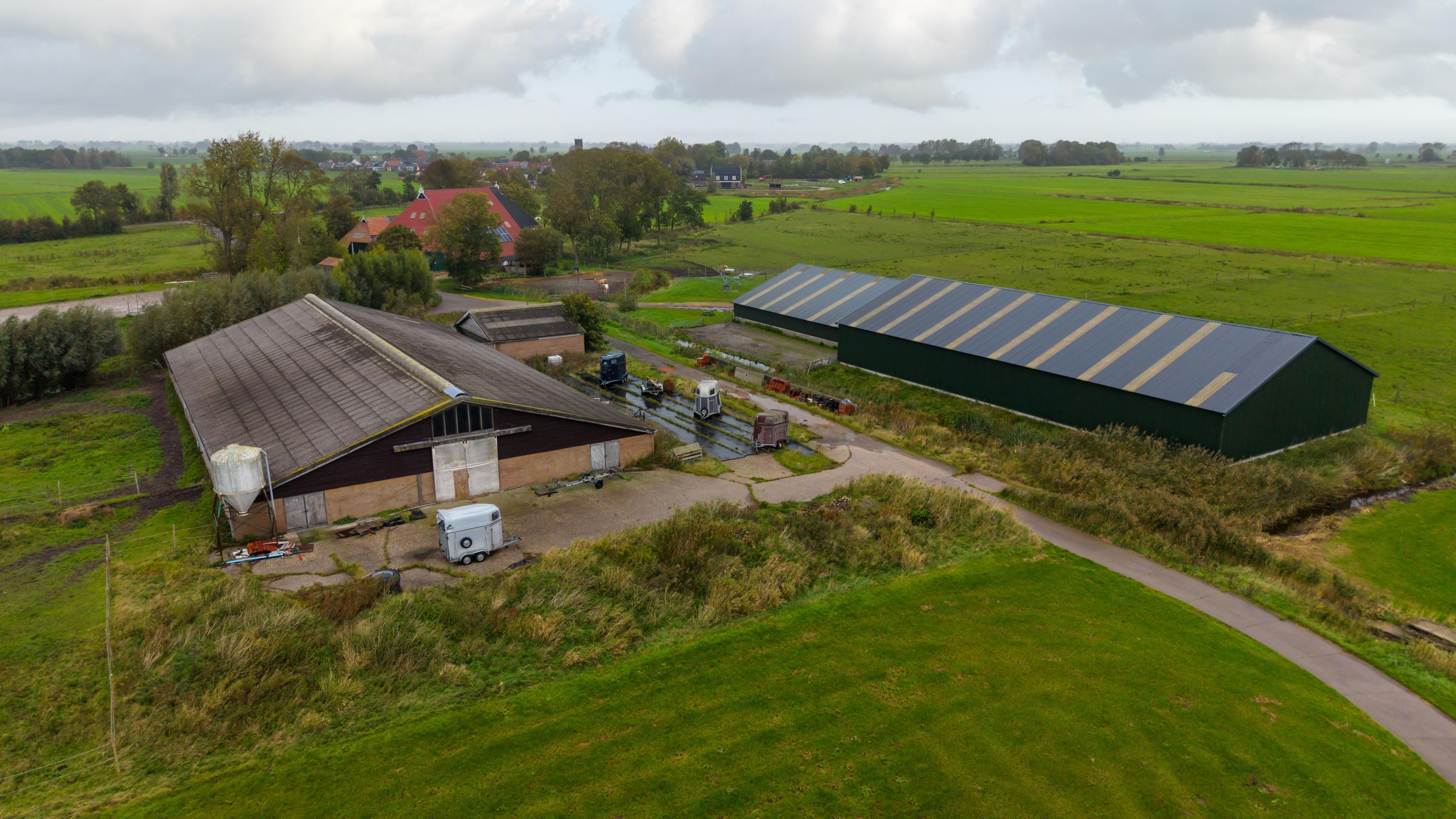
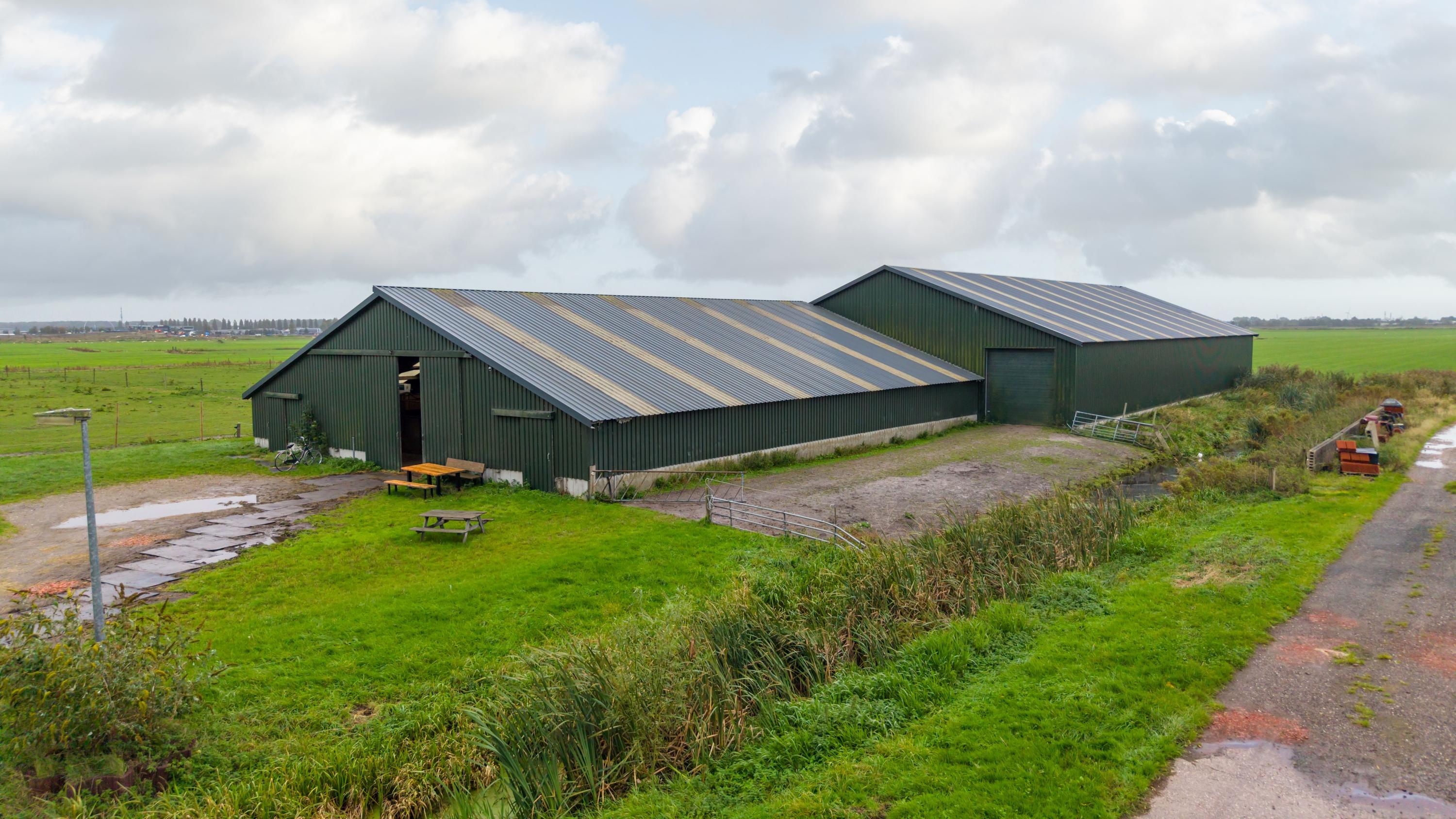
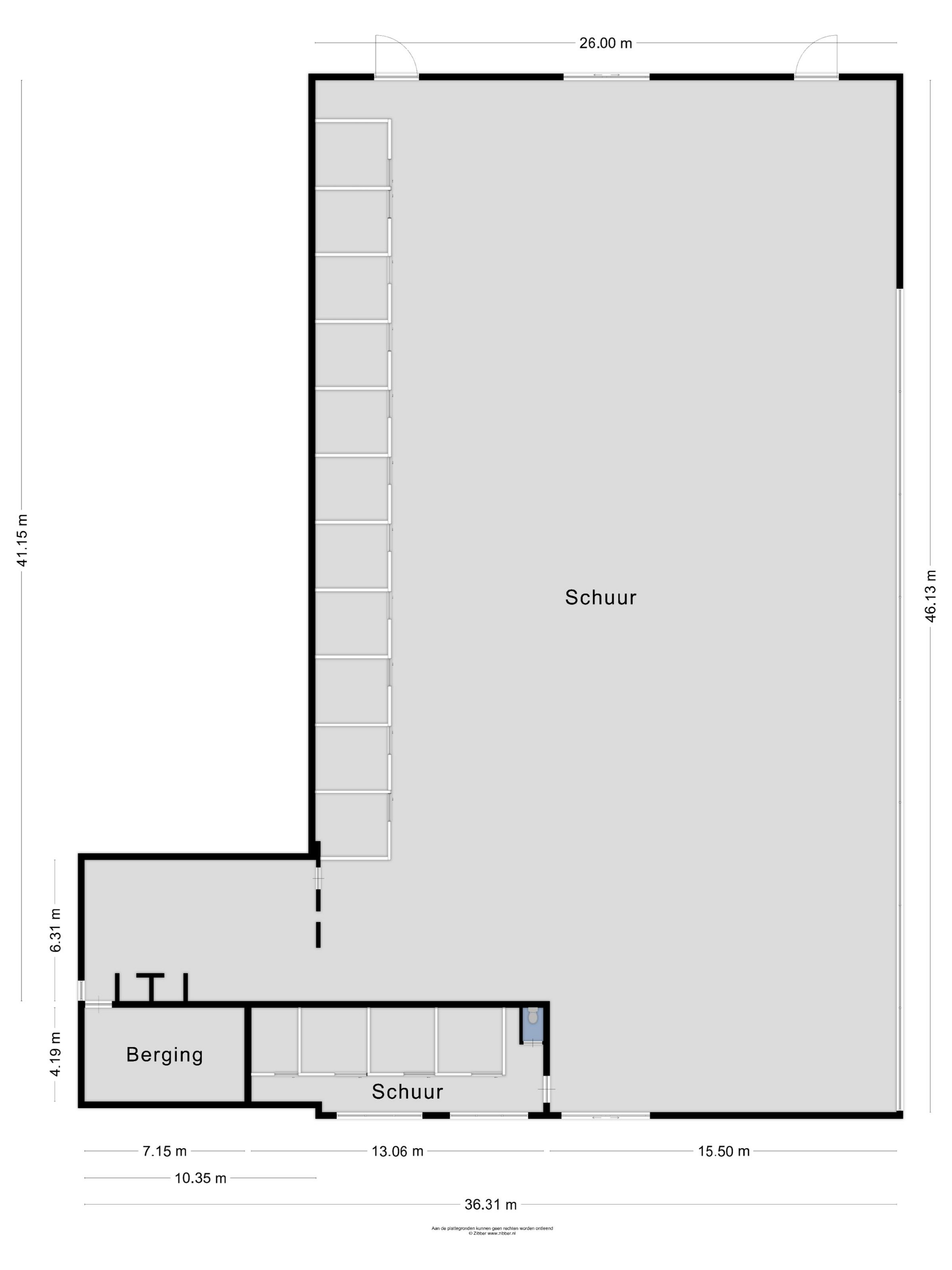
The property consists of a farmhouse with living quarters, a traditional barn and outbuilding, horse stables, riding hall, former cubicle barn and shed. The whole property is situated on a generous plot of over 7 hectares.
The zoning is agricultural with the designation “functional horse farm”.
The farm is located on the Folsgearster Opfeart and via the Alde Rien, the open waterway to Sneek and the surrounding area is accessible by boat, for example.
For more information, please contact Eelke Turkstra on 06-51260942.
Residential section
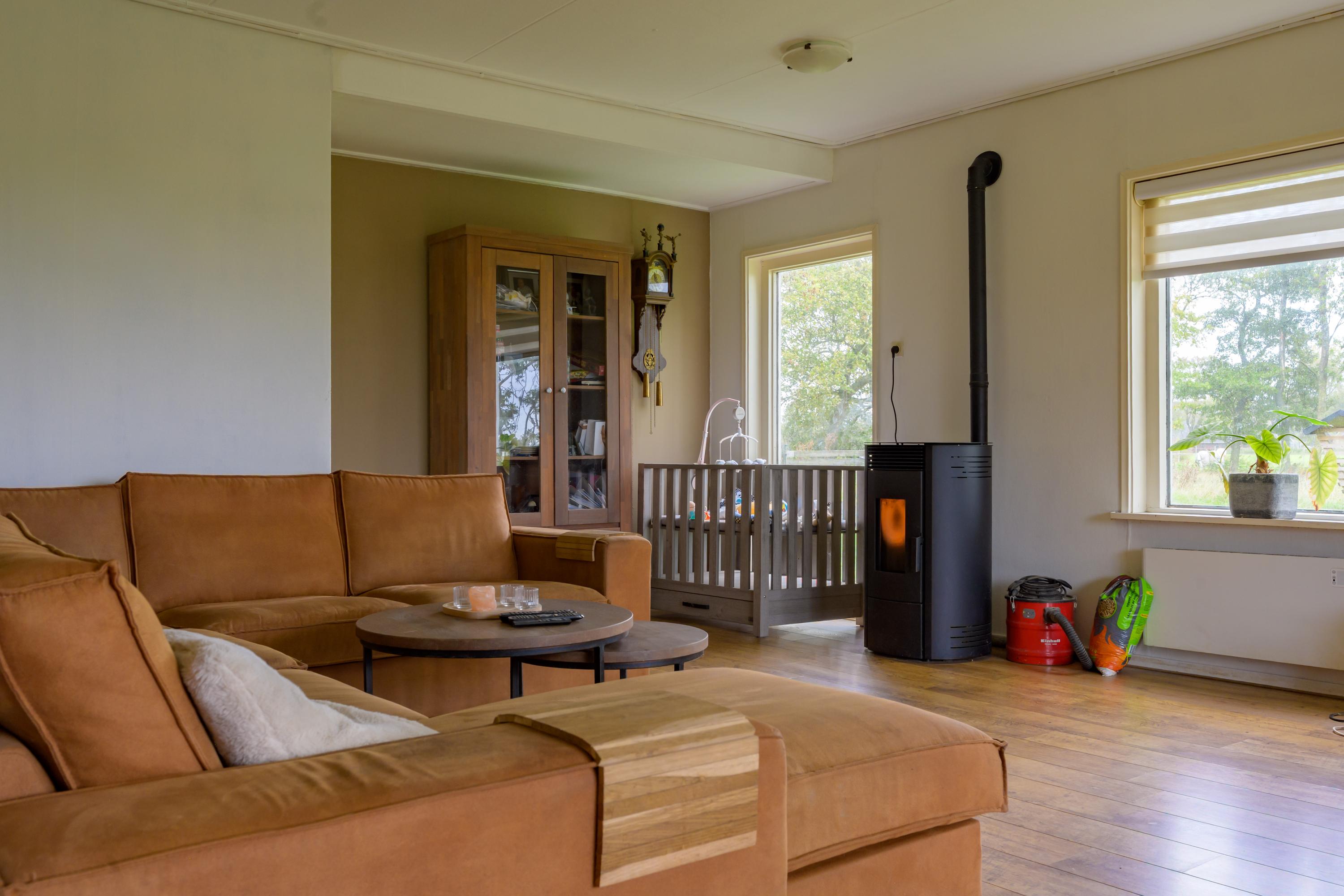
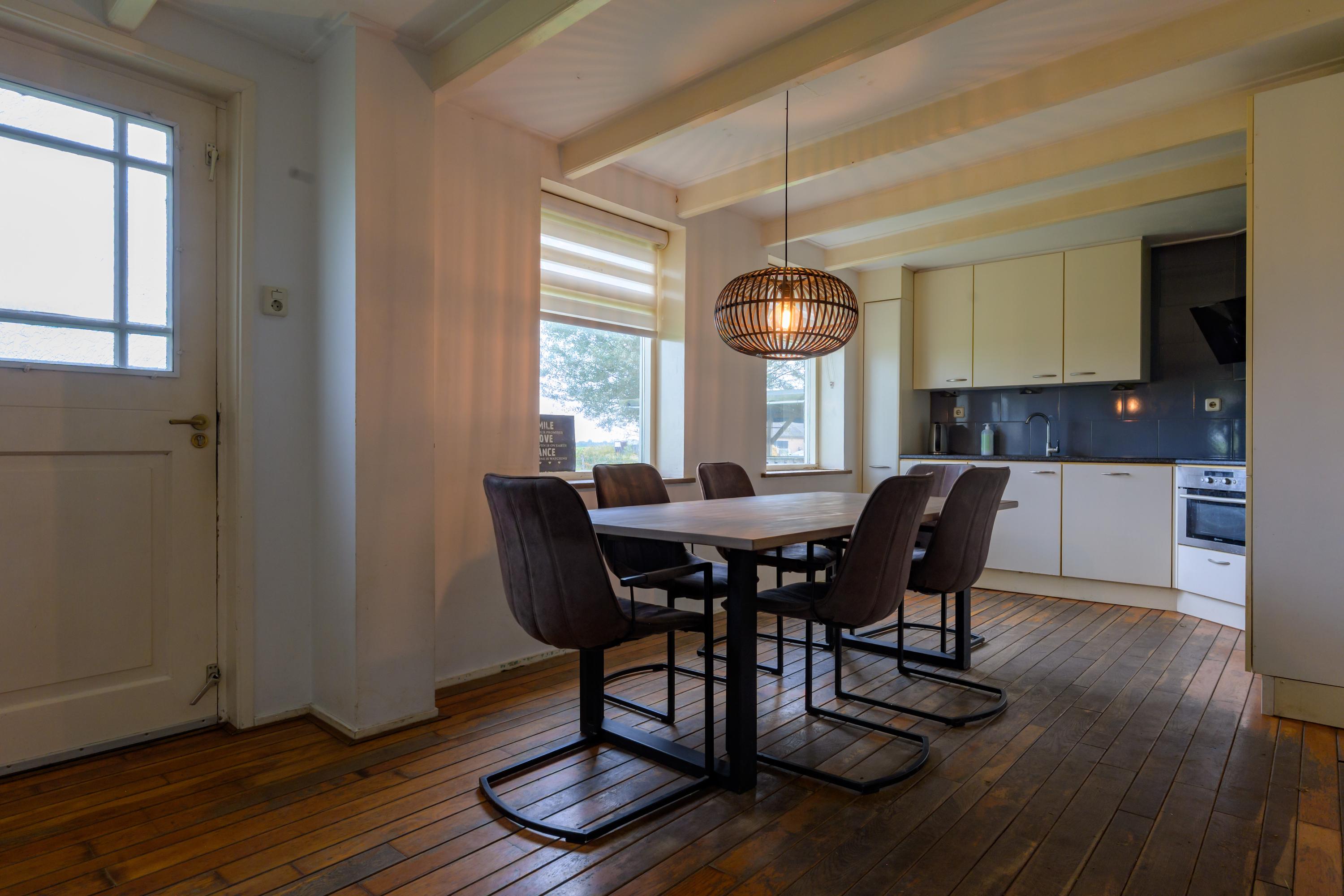
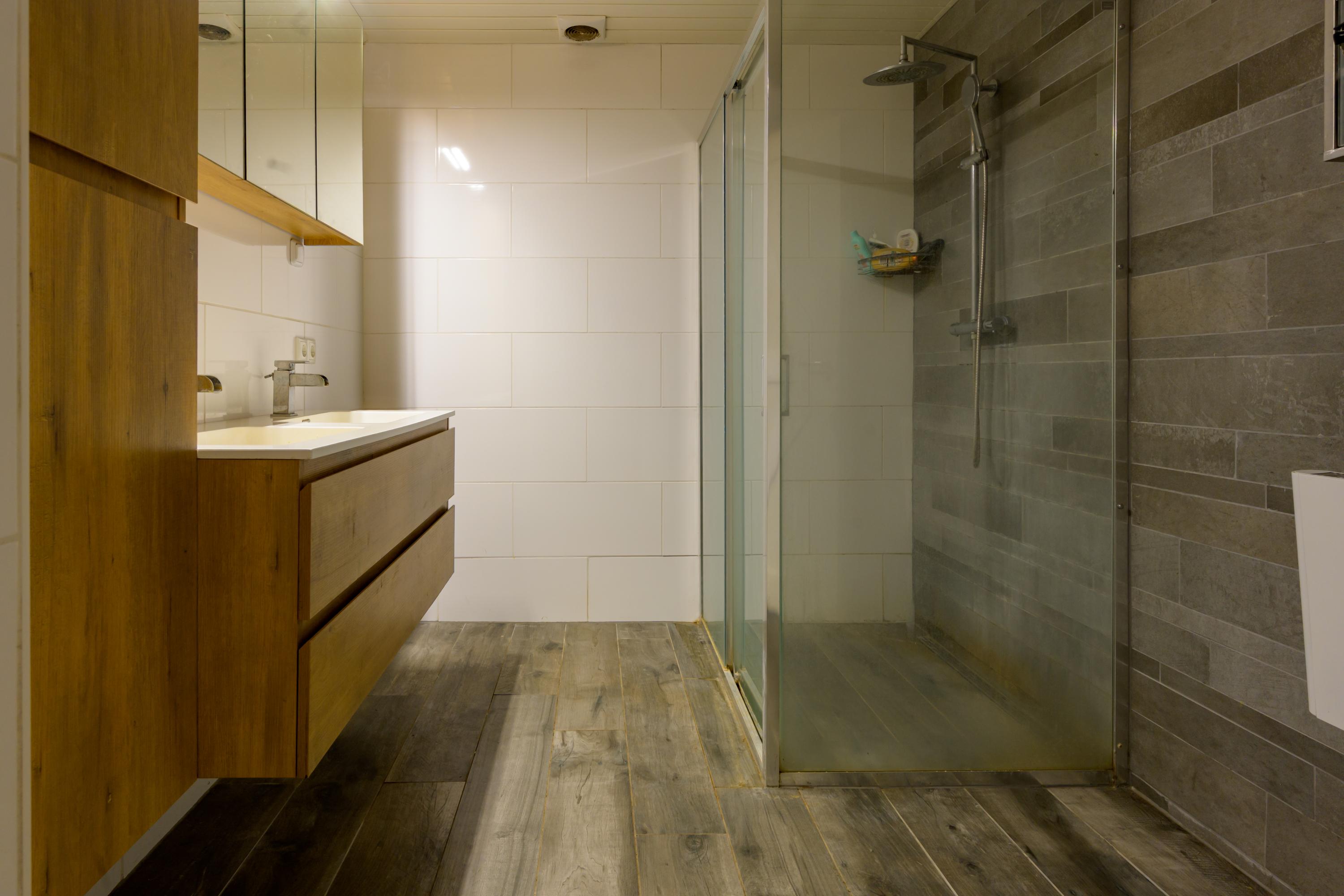
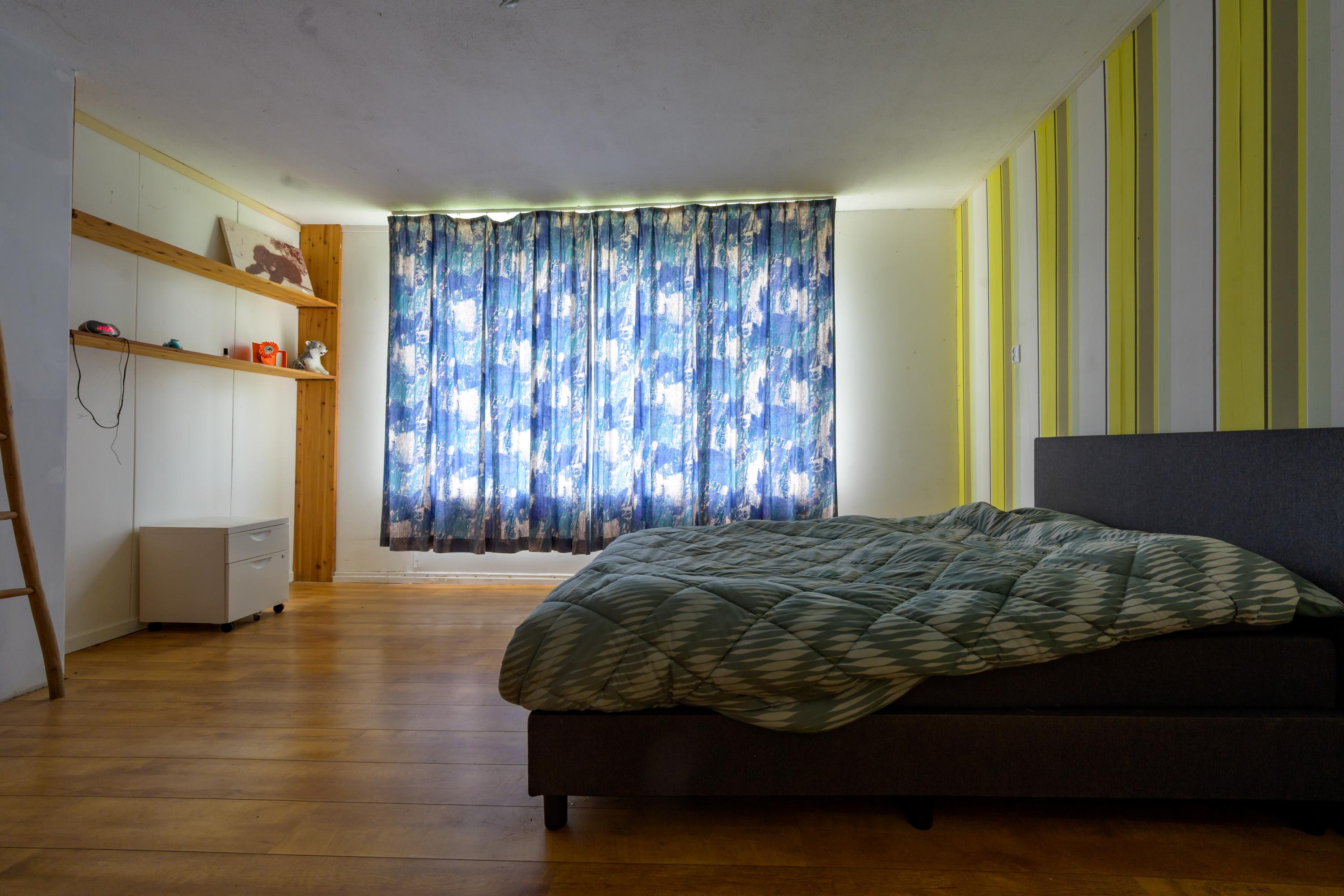
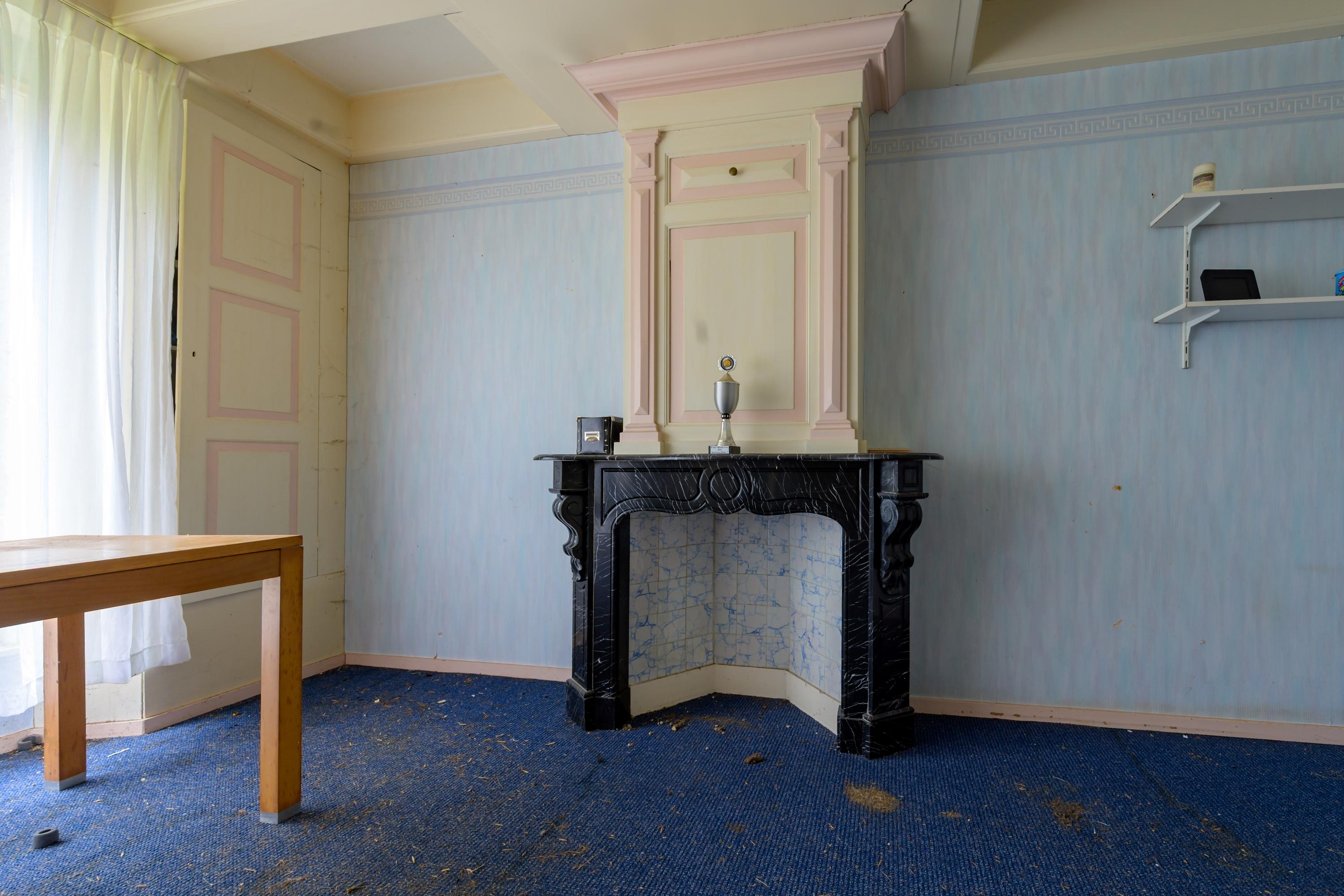
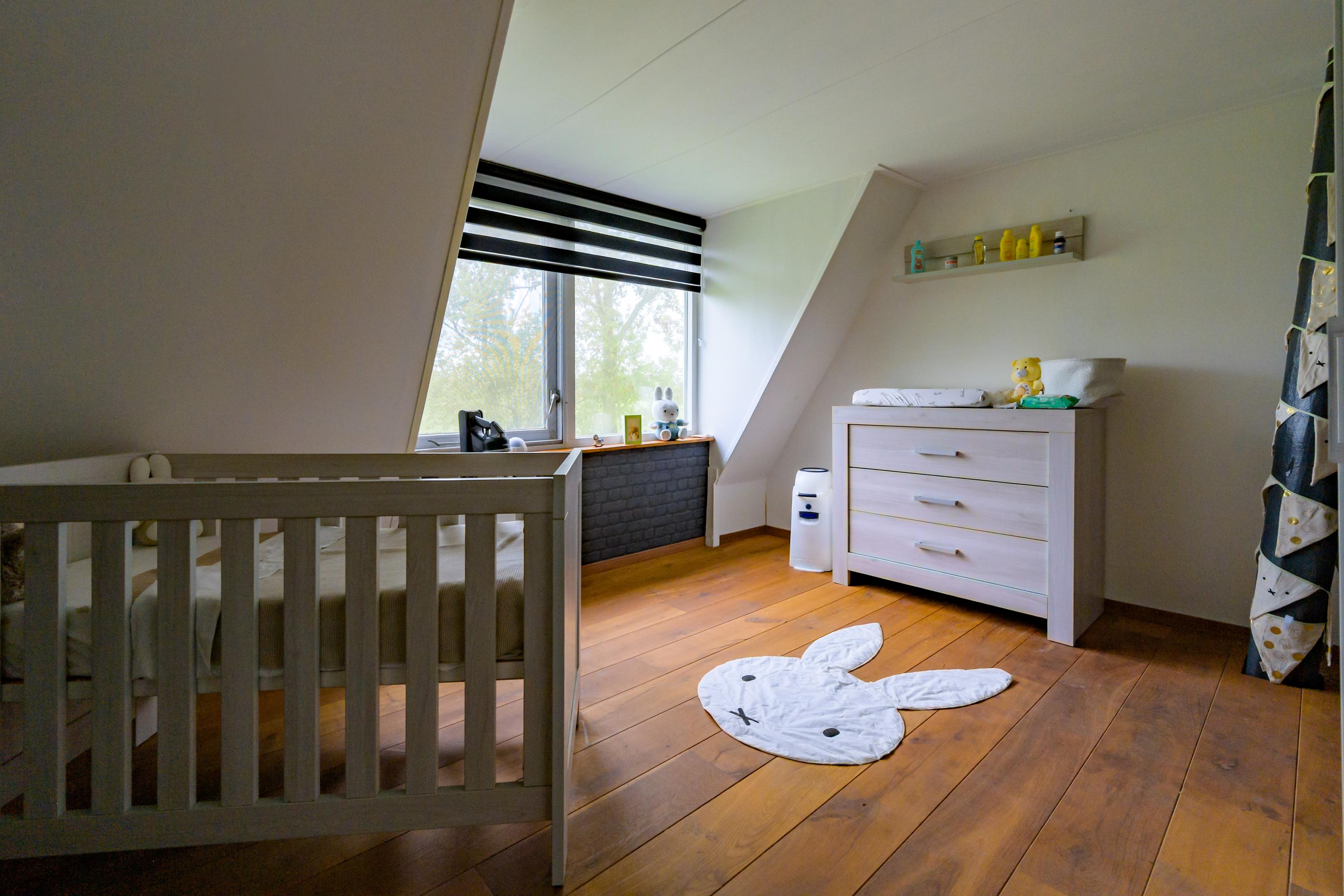
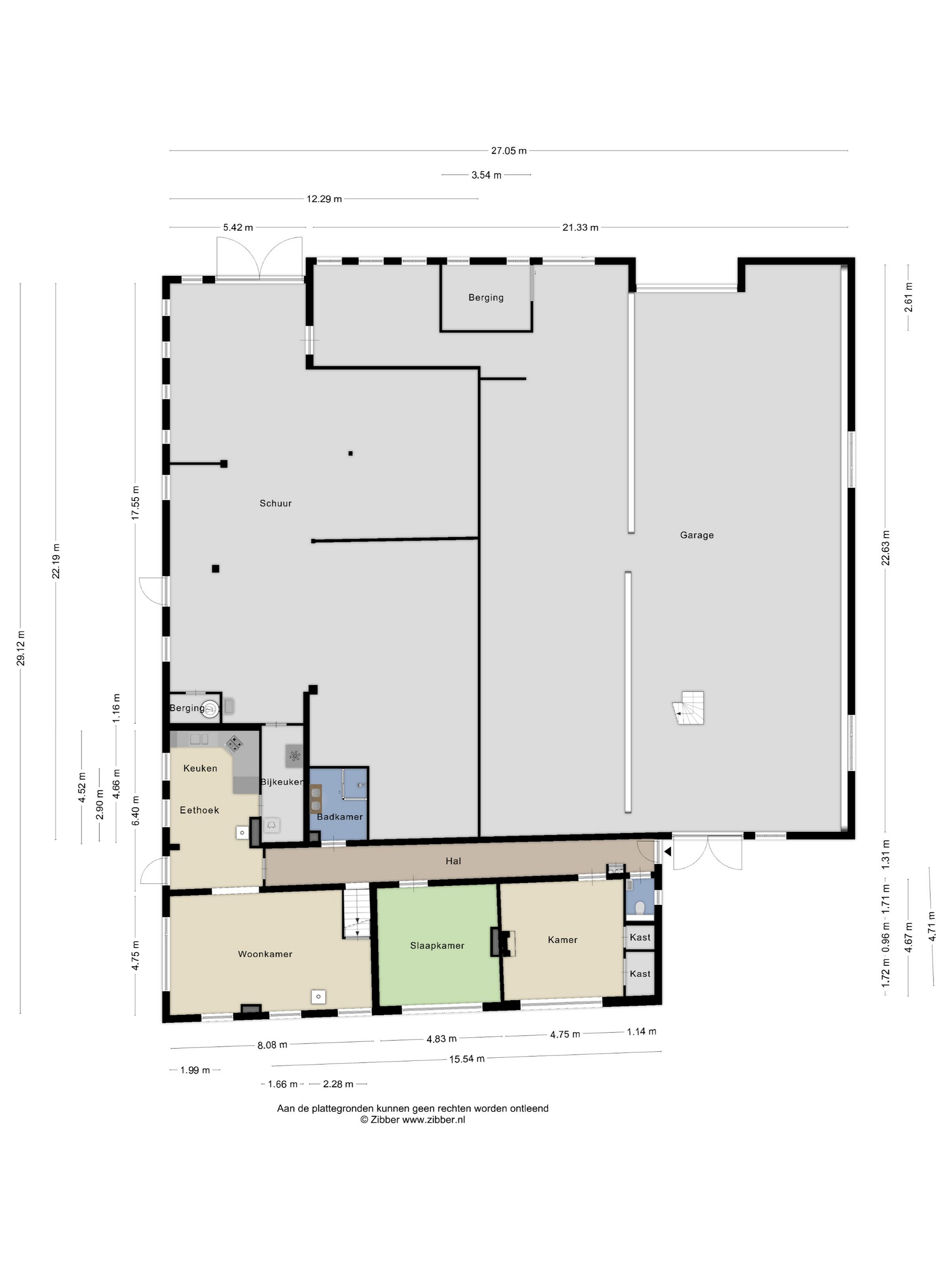
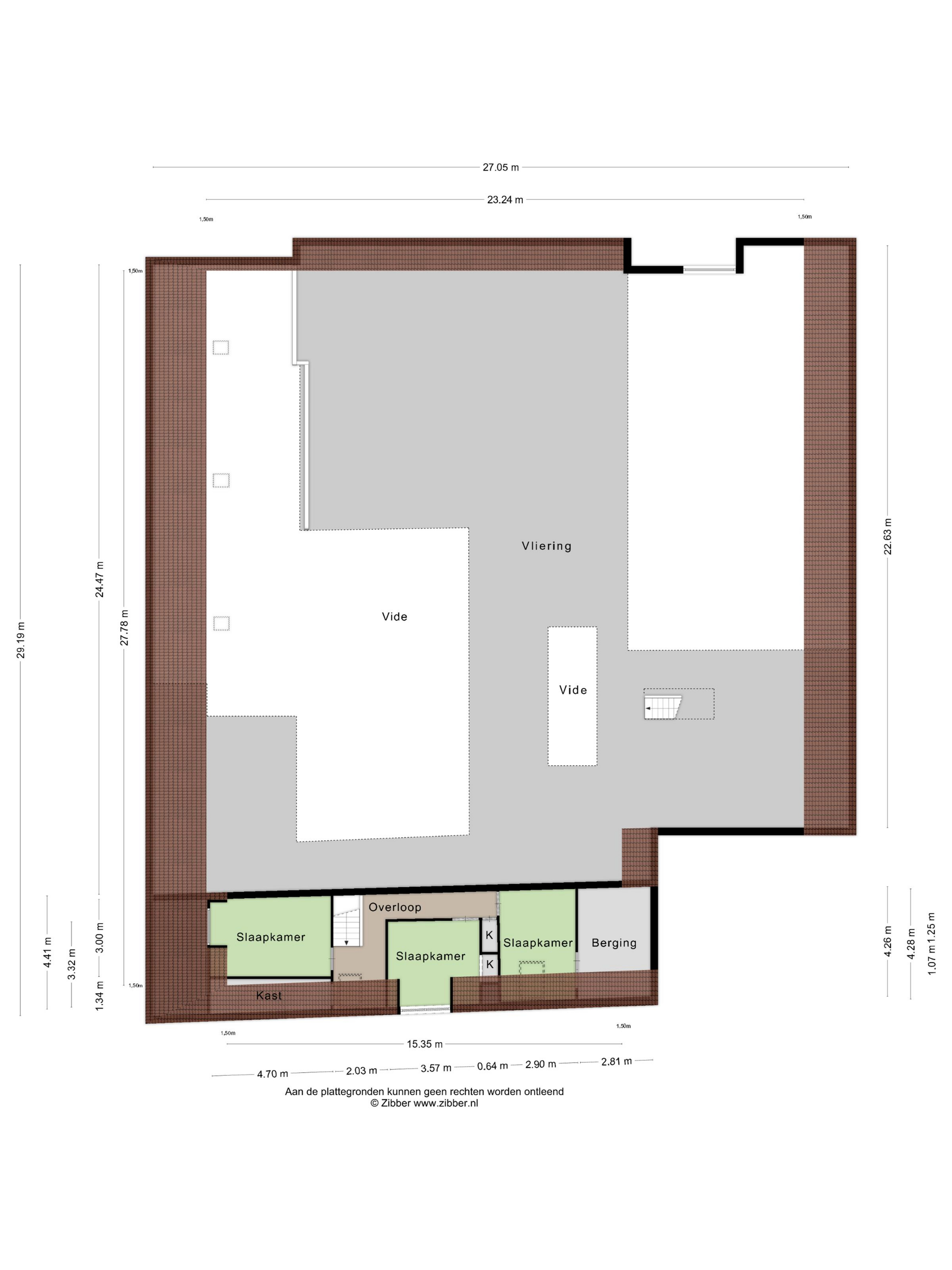
The ground floor has a cosy living room, a spacious kitchen, a hallway, bathroom, bedroom, study and toilet. On the first floor there is a landing, three bedrooms and a storage room.
Traditional barn and outbuilding
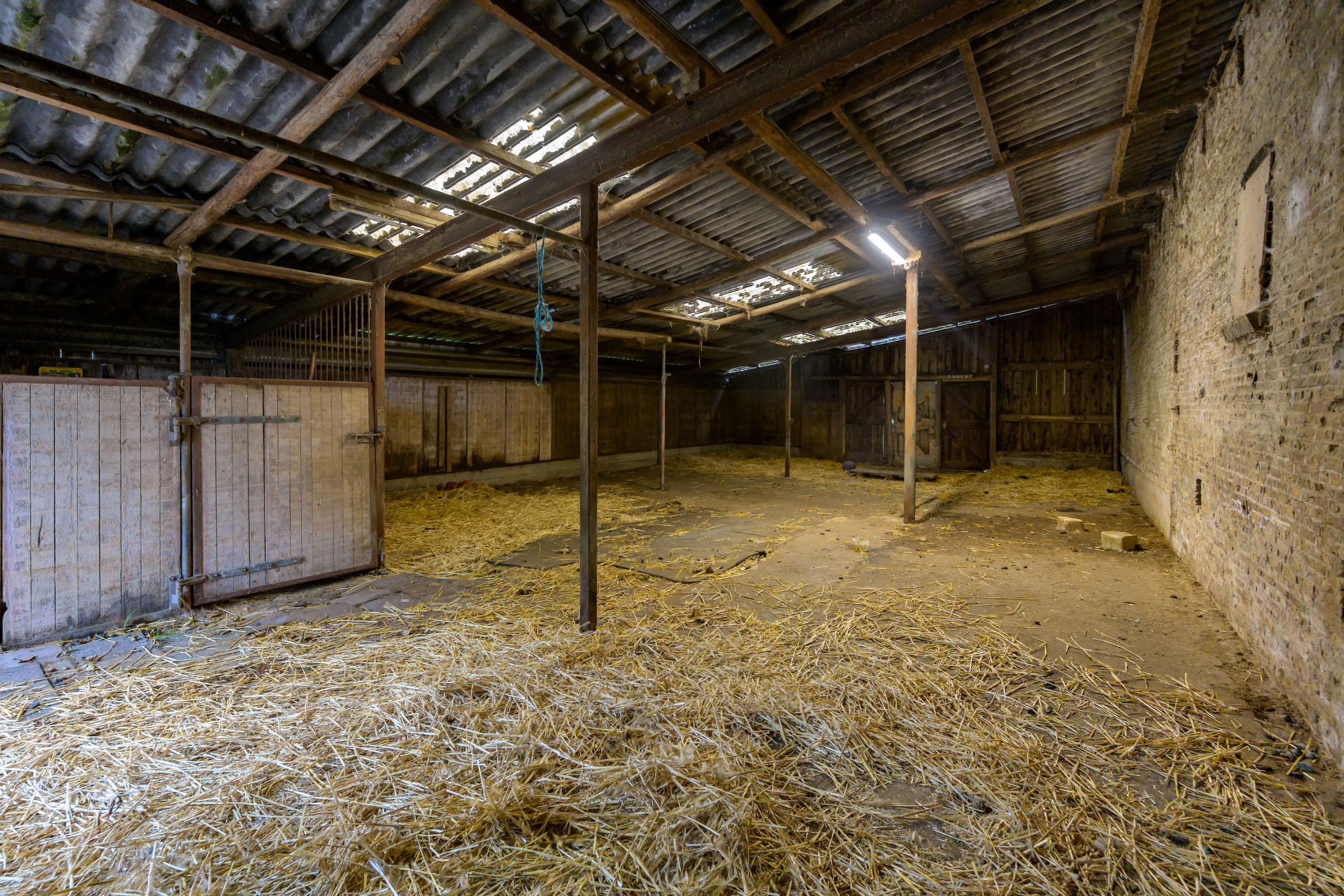
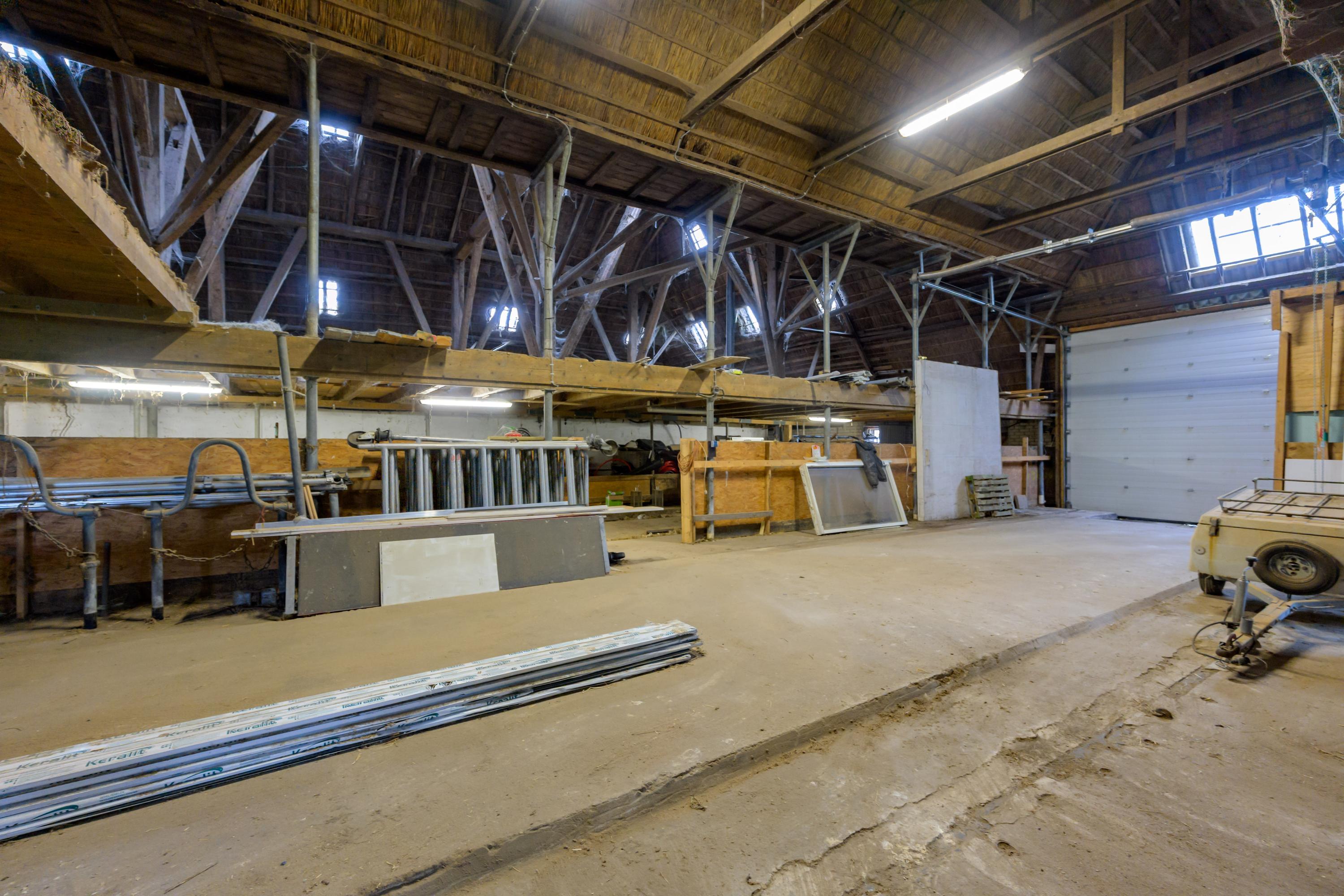
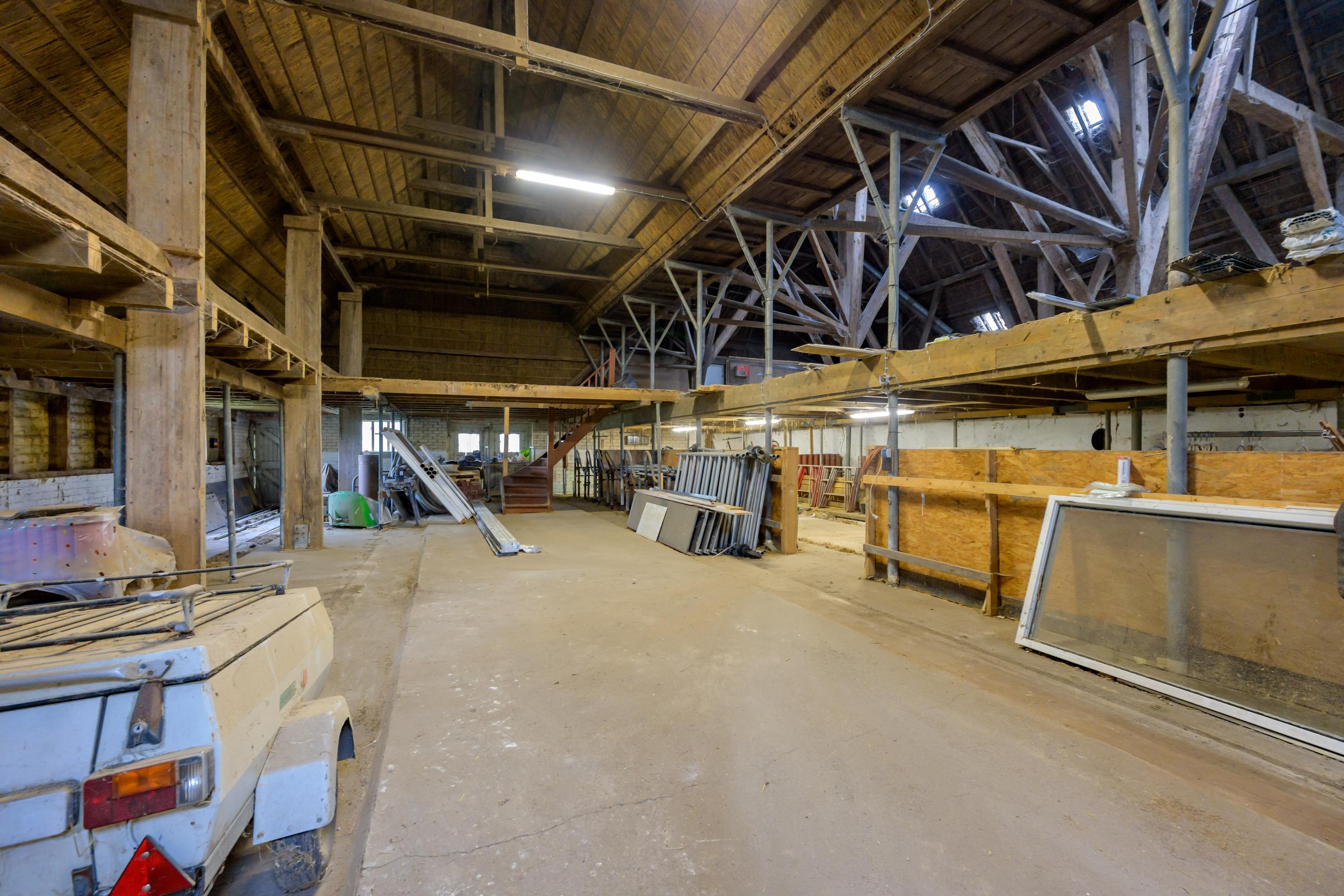
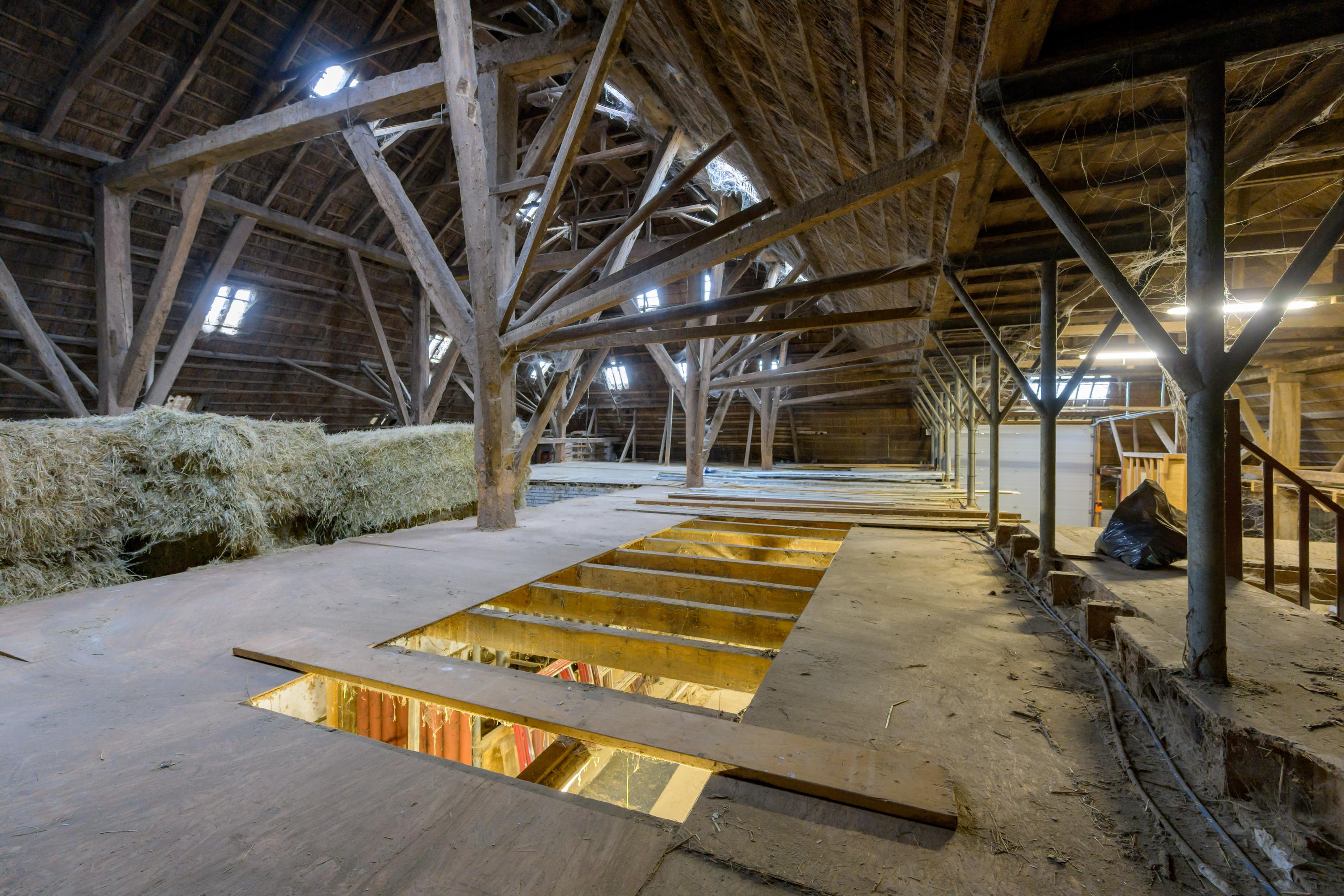
The traditional barn is constructed from wooden trusses and brick walls. The roof is covered with asbestos-free corrugated sheets. The floor is concrete. The floor of the haylofts is clay. The barn is equipped with horse stalls and feed storage. The traditional barn doors provide access to the storage area. The barn measures approximately 18 x 19 metres. There are 22 solar panels (2019) on the roof of the barn with an annual yield of approximately 6,000 kWh. The solar panels are leased for approximately €100 per month. After approximately 10 years, these panels can be purchased for €50 per panel.
The outbuilding is also constructed of brick walls. The trusses are made of wood and steel (free span). The rear roof is covered with asbestos-free corrugated sheets and the sides are covered with roof tiles. The floor is concrete. The shed is accessible from the traditional barn and has an overhead door for access from the outside. The shed measures approximately 23.5 x 8 metres.
Ligboxenstal
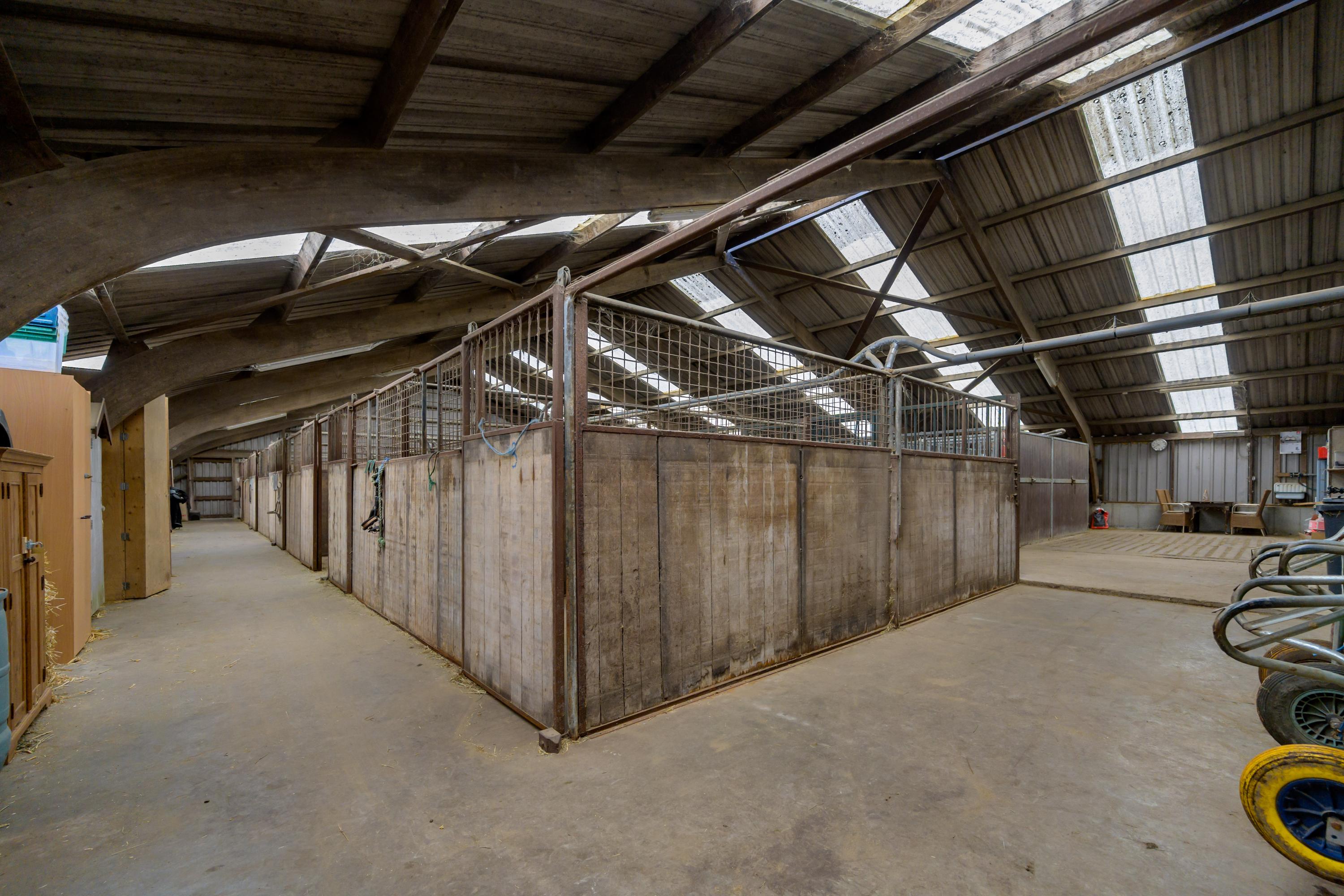
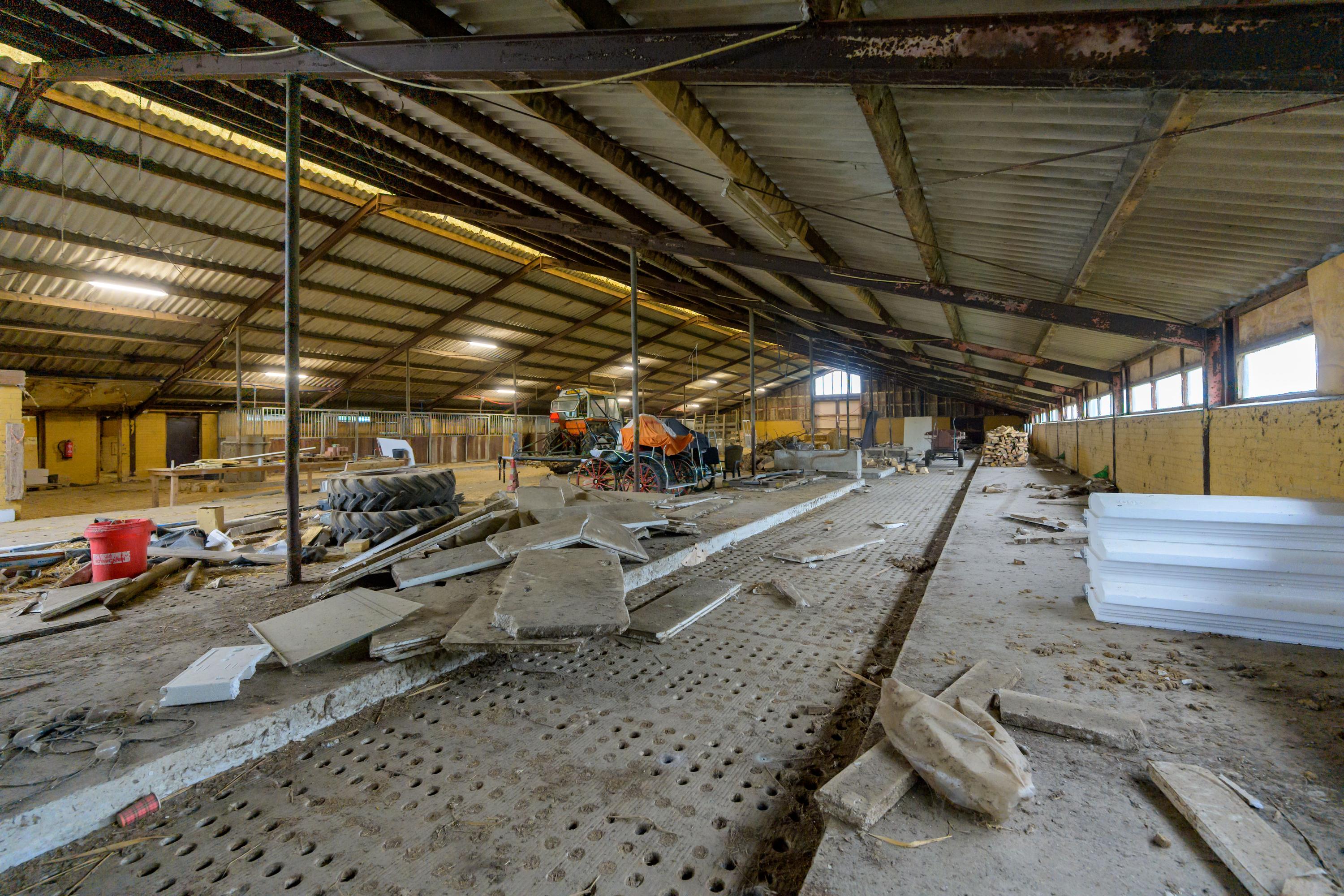
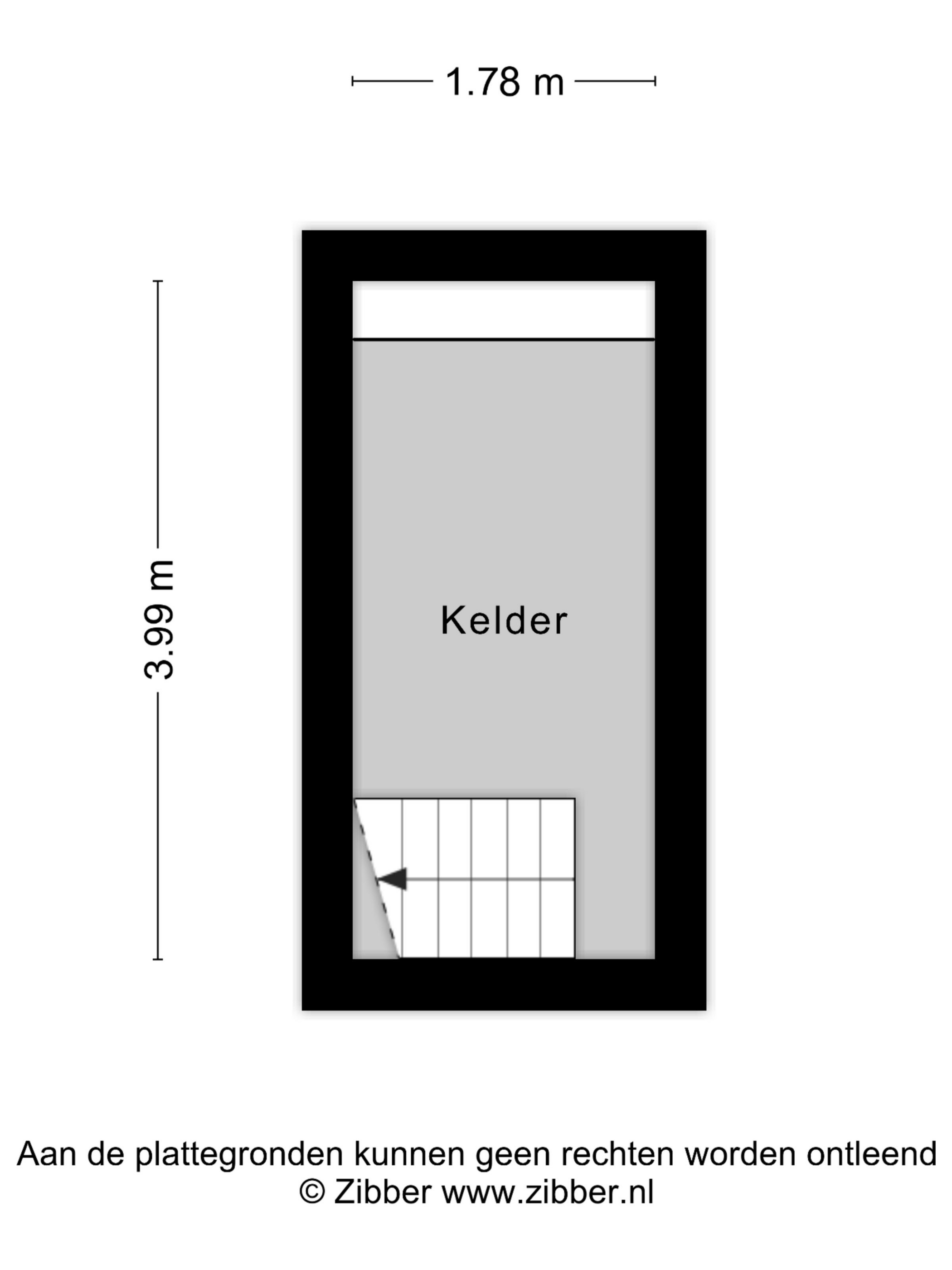
The former cubicle barn was built in 1983 and is constructed of brick walls, steel trusses with supports and wooden gables. The roof is covered with corrugated asbestos sheets. The floor is partly covered with slatted flooring and partly with concrete. The barn has a basement at the level of the slatted flooring. The original barn fittings have been removed. The barn now has 14 horse stalls and a basement with a manure cellar of approx. 900 m³. The rest of the barn can be divided up as desired. There is access to the barn at both the front and rear via sliding doors with a drive-in height of 3.95 metres. There is also a tack room, toilet and laundry room.
Horse stable
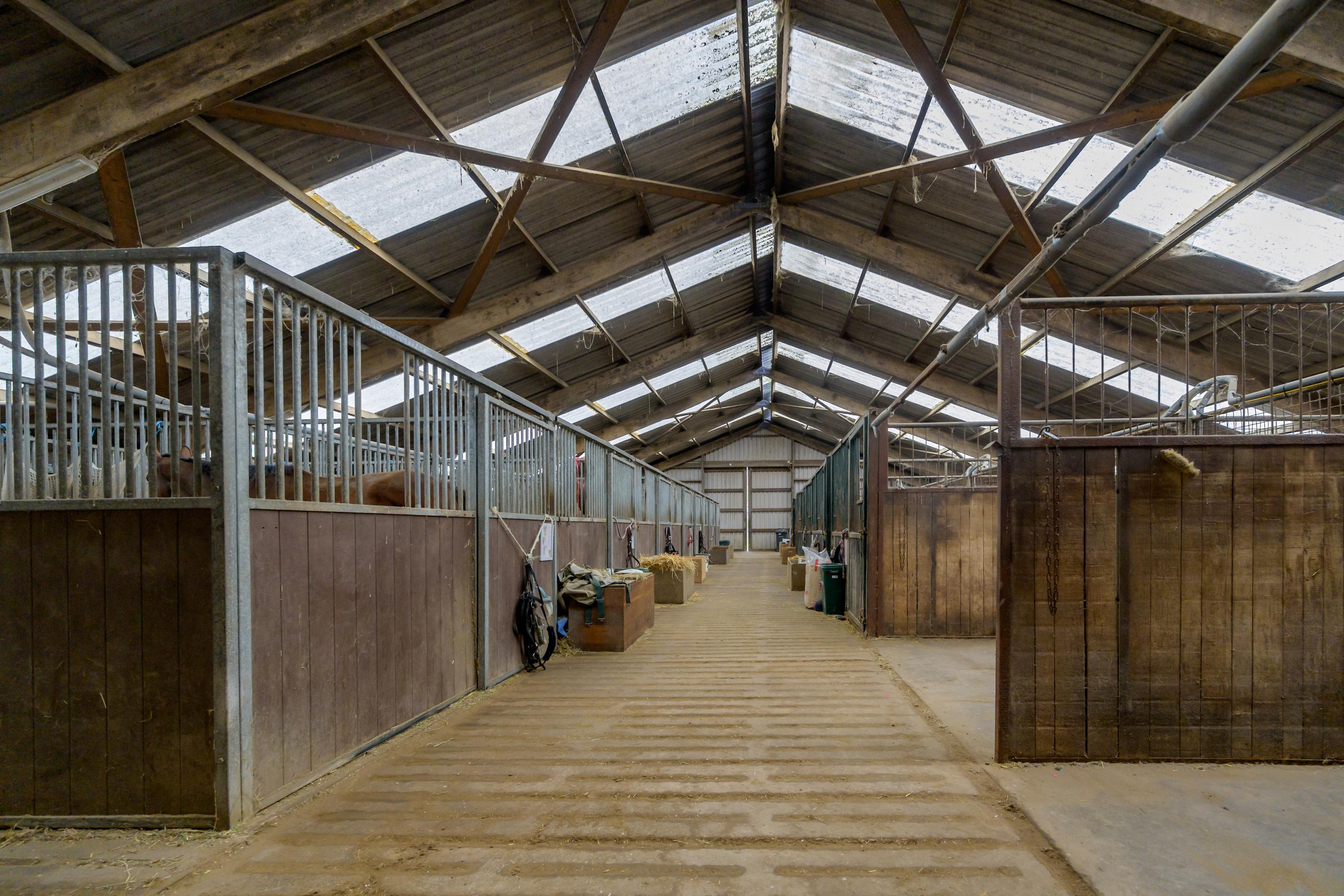
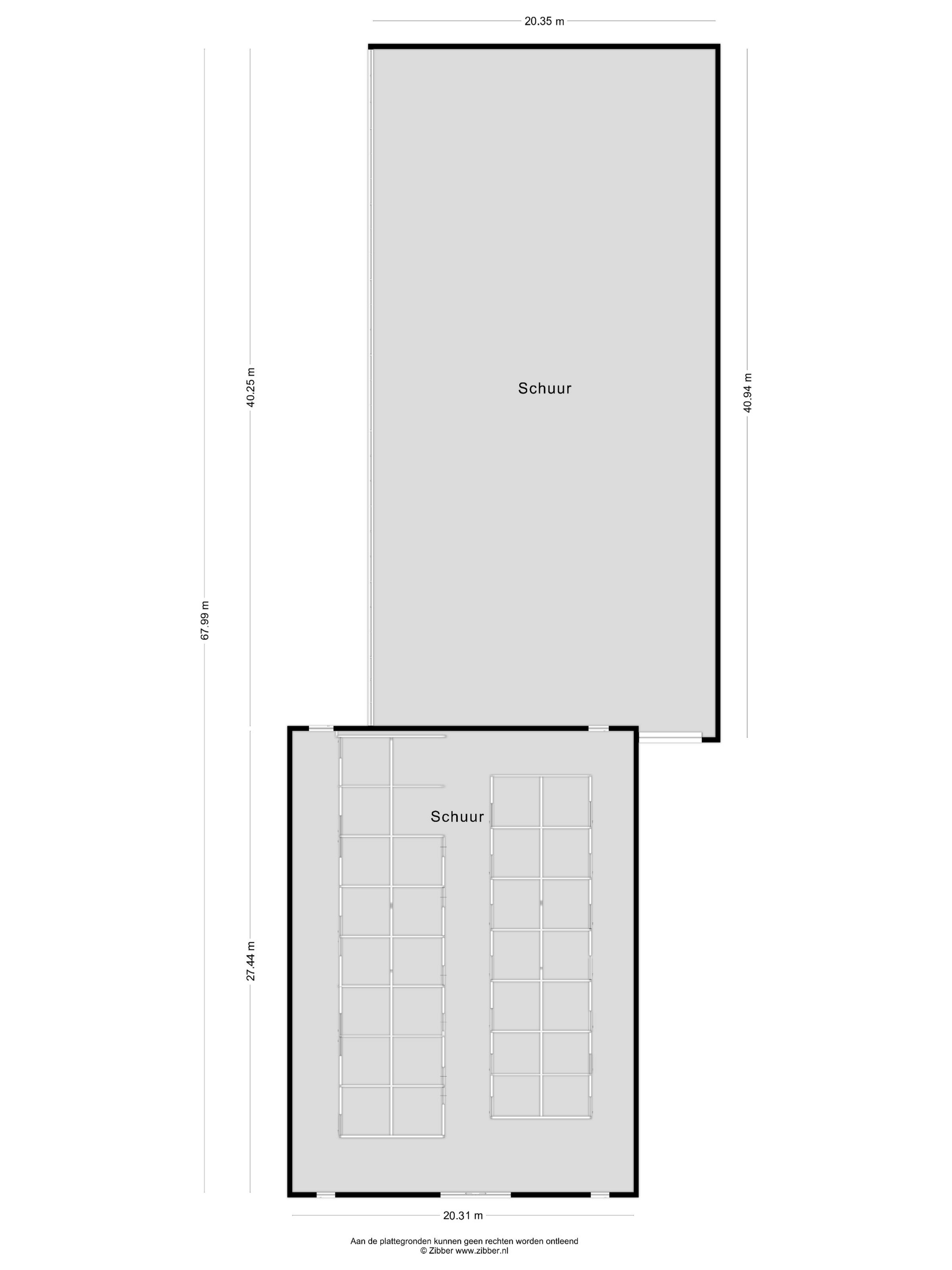
The horse stable was built in 2009 and is constructed from a freely spanned wooden truss structure. The stable measures approximately 27 x 20 metres. Both the facades and the roof are fitted with sheet piling. The floor is partly concrete and partly slatted without a pit. The stable is equipped with 28 horse stalls.
Riding hall
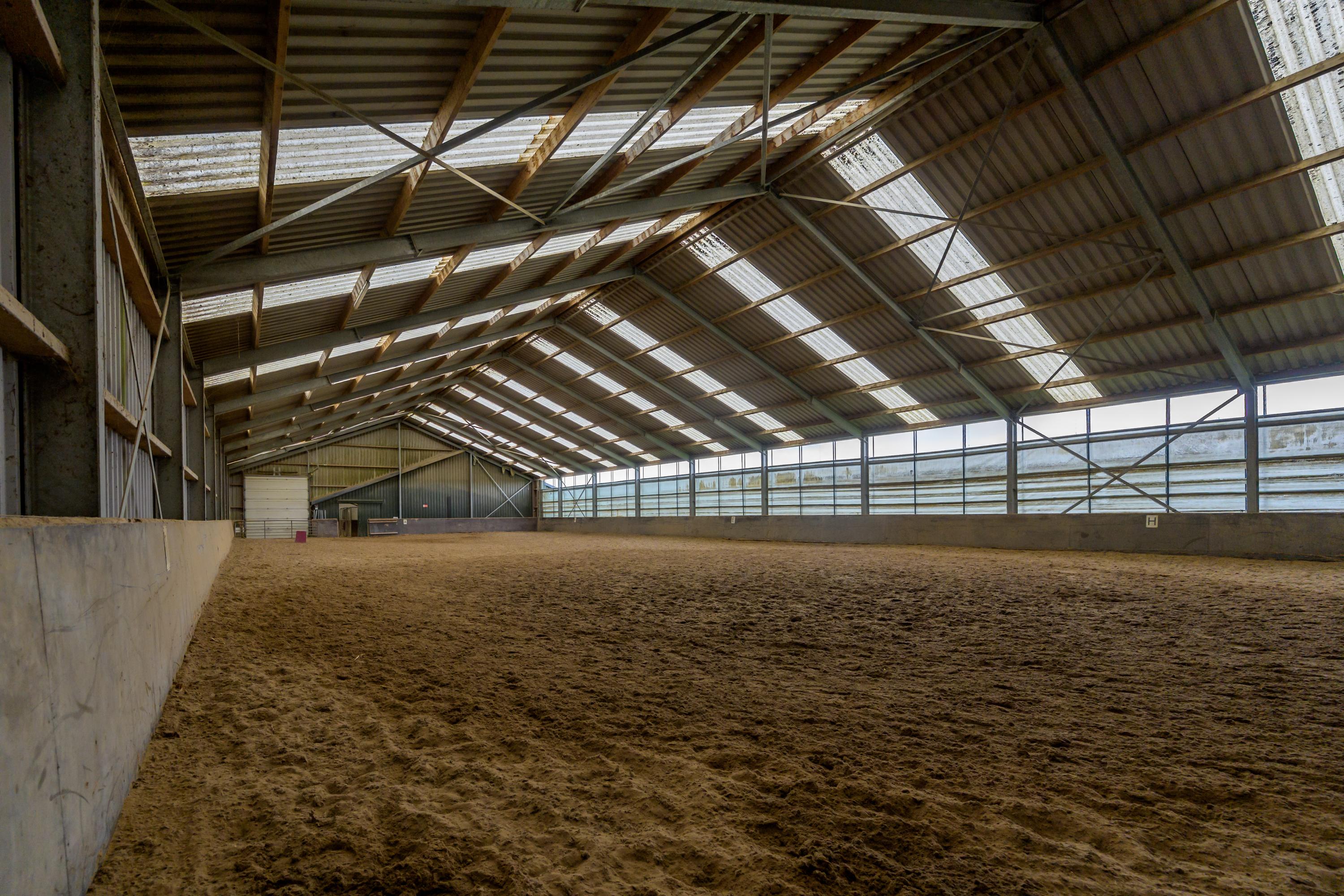
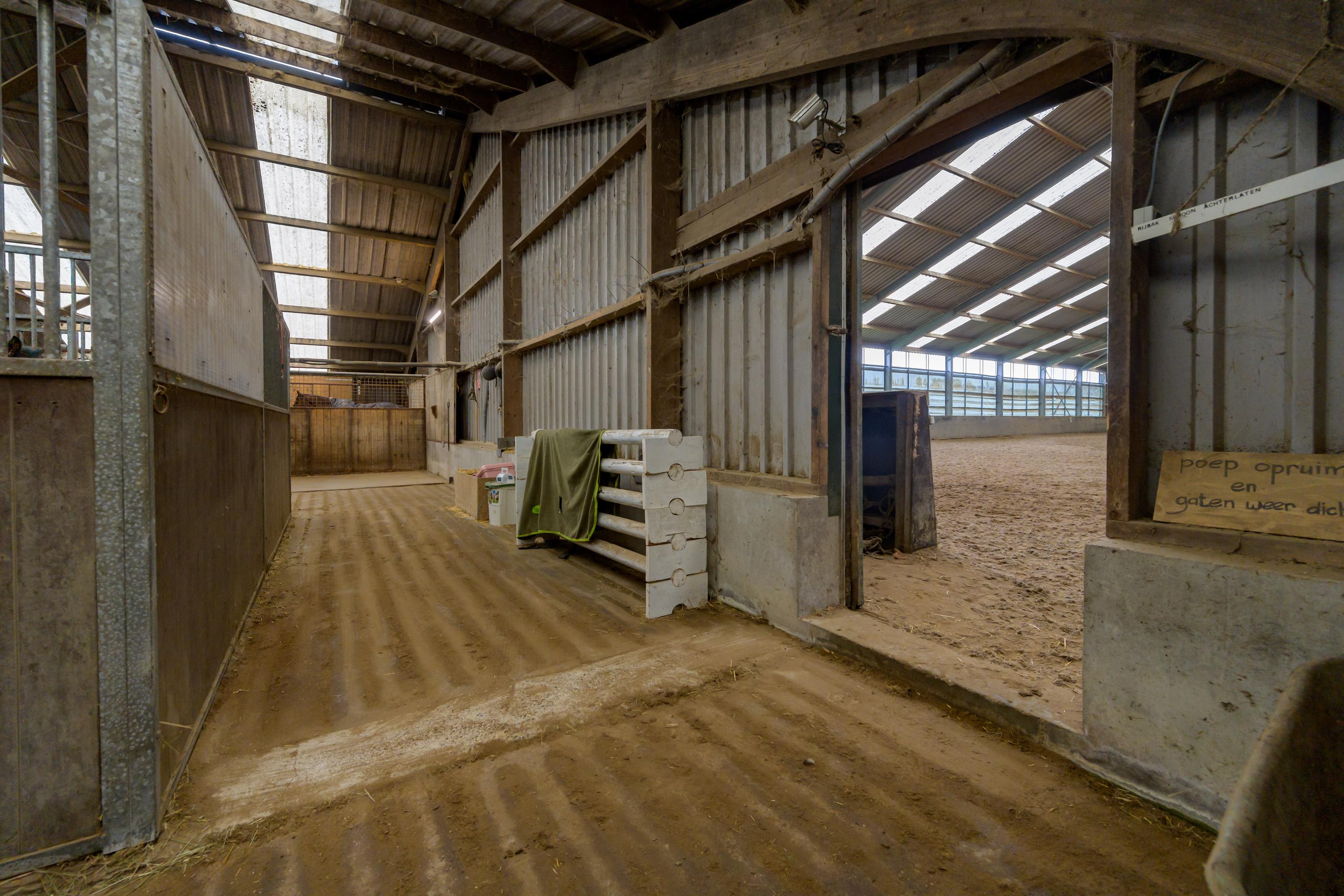
The riding hall was built adjacent to the horse stable (built in 2013). It measures approximately 41 x 20 metres. Both the facades and the roof are clad with sheet piling. One side wall is equipped with an electrically operated tarpaulin. At the front, there is access to the riding hall through an electrically operated overhead door. The floor of the riding hall is covered with sand and carpet flakes.
Other
There is a horse walker with a hard surface. There is no fencing.
There is an outdoor arena measuring 20 x 40 metres. The outdoor arena is equipped with lighting. As far as is known, the arena is not drained.
There is also a simple barn with a surface area of approx. 70 m². The barn is constructed of half-brick walls and wooden trusses. The roof is covered with corrugated asbestos sheets and tin plates. The barn is divided into two parts. Part 1 contains two horse stalls. The floor is concrete. The second section is used for storage. It has a clay floor. Behind this simple barn is another wooden shed with a surface area of approx. 112 m². This shed is constructed from steel trusses and the facades are clad with wood. The roof is covered with corrugated sheets.
There are also two paddocks on the property, which are equipped with drainage.
Licensed places in accordance with Wnb licence
The company has a Wnb licence for keeping 100 dairy cows and 76 young cattle up to 2 years old. The licence was issued on 12 February 2016.
Horses may be kept on the basis of current regulations.
Energy label: F.
Other information
- The full description of the property can be found in the brochure. This can be requested via info@agrivastgoed.nl.
- All costs associated with the sale are borne by the buyer, including notary fees, public register registrations and transfer tax.
- Prospective buyers cannot derive any right of preference or first purchase from this letter.
- As security for the fulfilment of his obligations, the buyer is obliged to pay a deposit to the designated solicitor, amounting to 10% of the principal sum (including any movable property).
The following clauses will be included in the purchase agreement.
Asbestos clause
The buyer is aware that asbestos has been used in the immovable property (roofing of the cubicle barn and simple shed). However, it cannot be ruled out that other asbestos-containing materials are present in the immovable property. In the event that such materials are present, the buyer indemnifies the seller against all liability that may arise from the presence of any asbestos in the immovable property. In the event of the removal of any asbestos-containing materials, special measures must be taken in accordance with environmental legislation. The buyer hereby declares that they are aware of this.
Age clause
The buyer declares that he is aware that the buildings are more than 16 years old, which means that the requirements that may be imposed on the quality of construction are considerably lower than for new buildings. Unless the seller has guaranteed the quality thereof, he does not guarantee the quality of the foundations, the floors, the pipes, the electricity, water and gas, the sewerage system and the possible presence of any vermin or mould (such as woodworm, longhorn beetle, fungus, etc.) and the possible presence of penetrating and/or rising damp. Structural defects are not considered to impede the normal use of the property as specified by the seller in the purchase agreement, namely as an agricultural business with a (business) residence.
Agricultural zoning clause
The buyer is aware that at the time of concluding the purchase agreement, the property has an agricultural zoning. The buyer declares that he has informed himself of the current zoning plan, (if applicable) the water board's approval and other public law regulations and published proposals to change that zoning or use.
Asking price: €1,050,000 costs payable by the buyer.
Acceptance and payment: in consultation.
Settlement of encumbrances: date of transfer of ownership.
Viewing: by appointment only through the estate agent.
For more information and/or to schedule viewings, please contact Mr Eelke Turkstra of Agri Vastgoed Makelaars en Taxateurs on 06-51260942 / 058-2849171 or via info@agrivastgoed.nl.
Although the utmost care has been taken in compiling this information, no rights can be derived from it. The seller reserves the right to make changes at any time.
We strive to contact you within 48 hours.

The Netherlands
With a population of over 17 million and an area of 41,543 km², the Netherlands has a high population density of 504 per km². About 18% of its surface area consists of water, and a significant portion of the land and population is located below sea level. The country is protected from water through a system of dikes and waterworks. Polders have been created through land reclamation. The landscape of the Netherlands is flat almost everywhere. The Dutch landscape mainly consists of cultural landscapes and managed nature reserves. Over the centuries, not only has the natural environment changed, but due to the shrinking and fragmentation of habitats and environmental pollution, both the quality and quantity of nature have deteriorated. Efforts are being made through nature policy and private initiatives to reverse this trend.
Through diversification in agriculture, entrepreneurs must also try to generate income from non-agricultural activities. These include agricultural nature and water management, agro-tourism, and care farms.