Prime 562.49 Acres of cultivated Land Near Lucky Lake, SK
Saskatchewan, Canada
Characteristics
Characteristics
Description
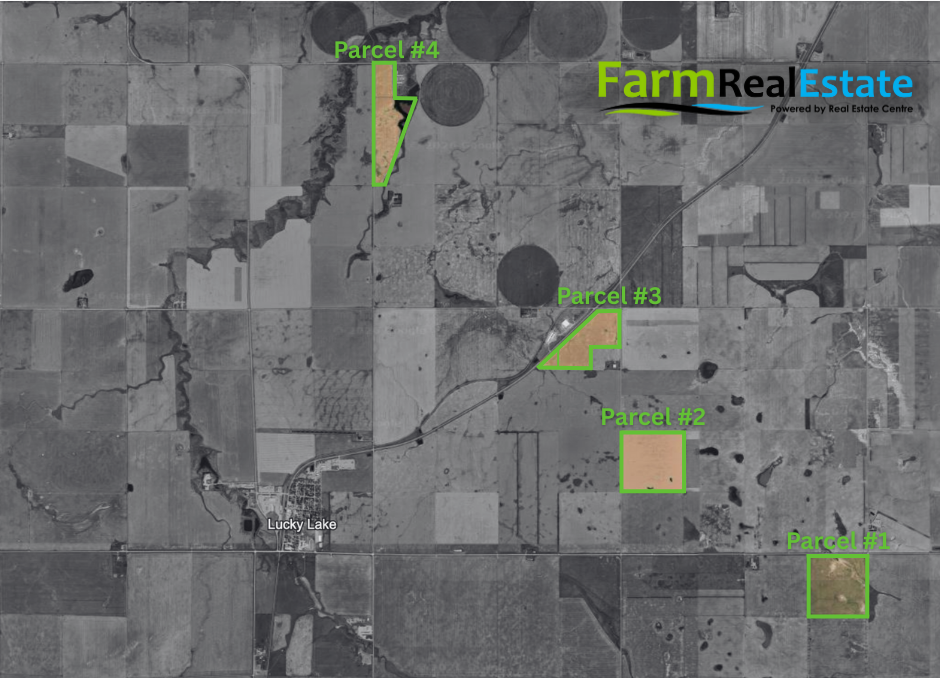
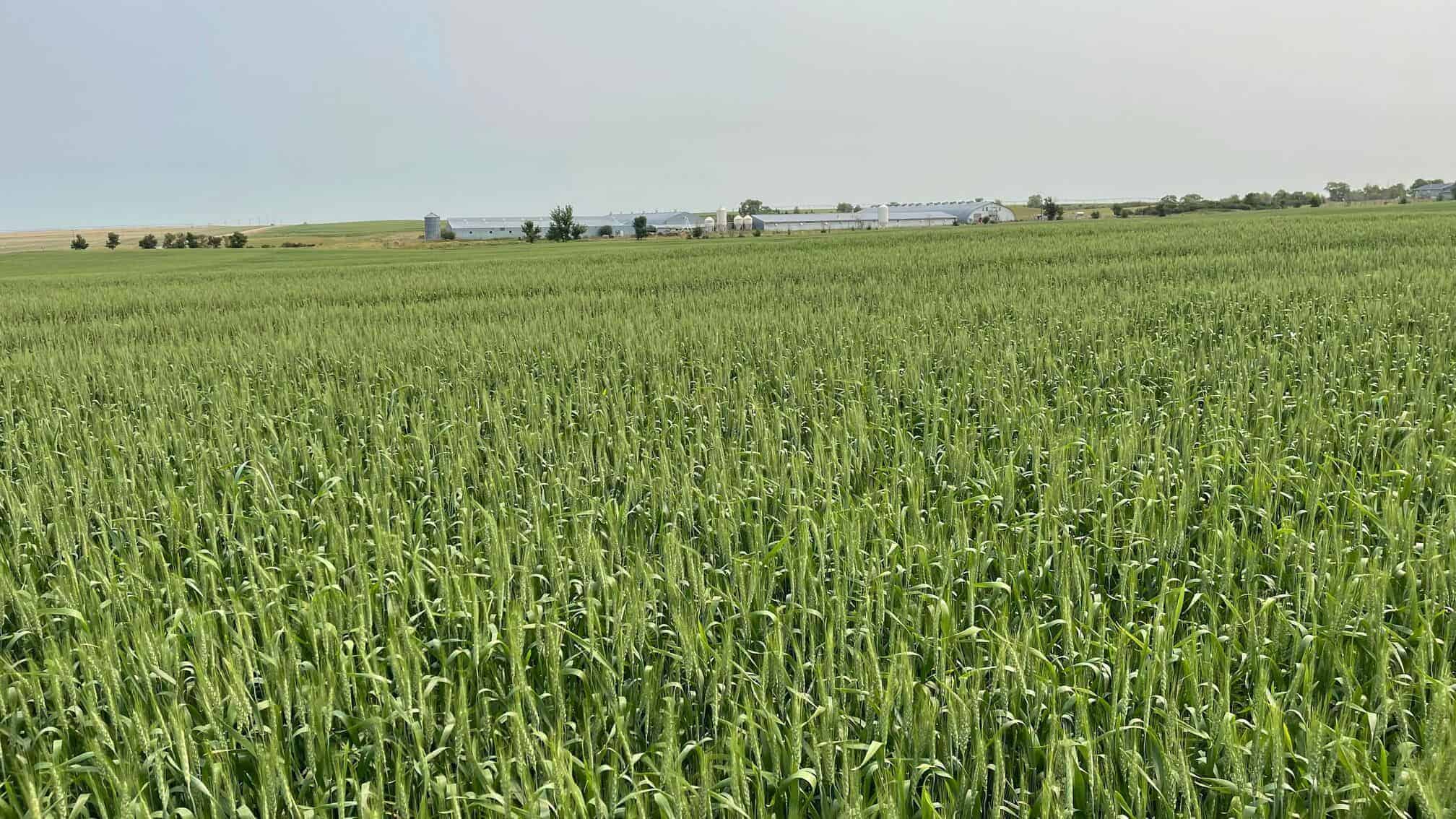
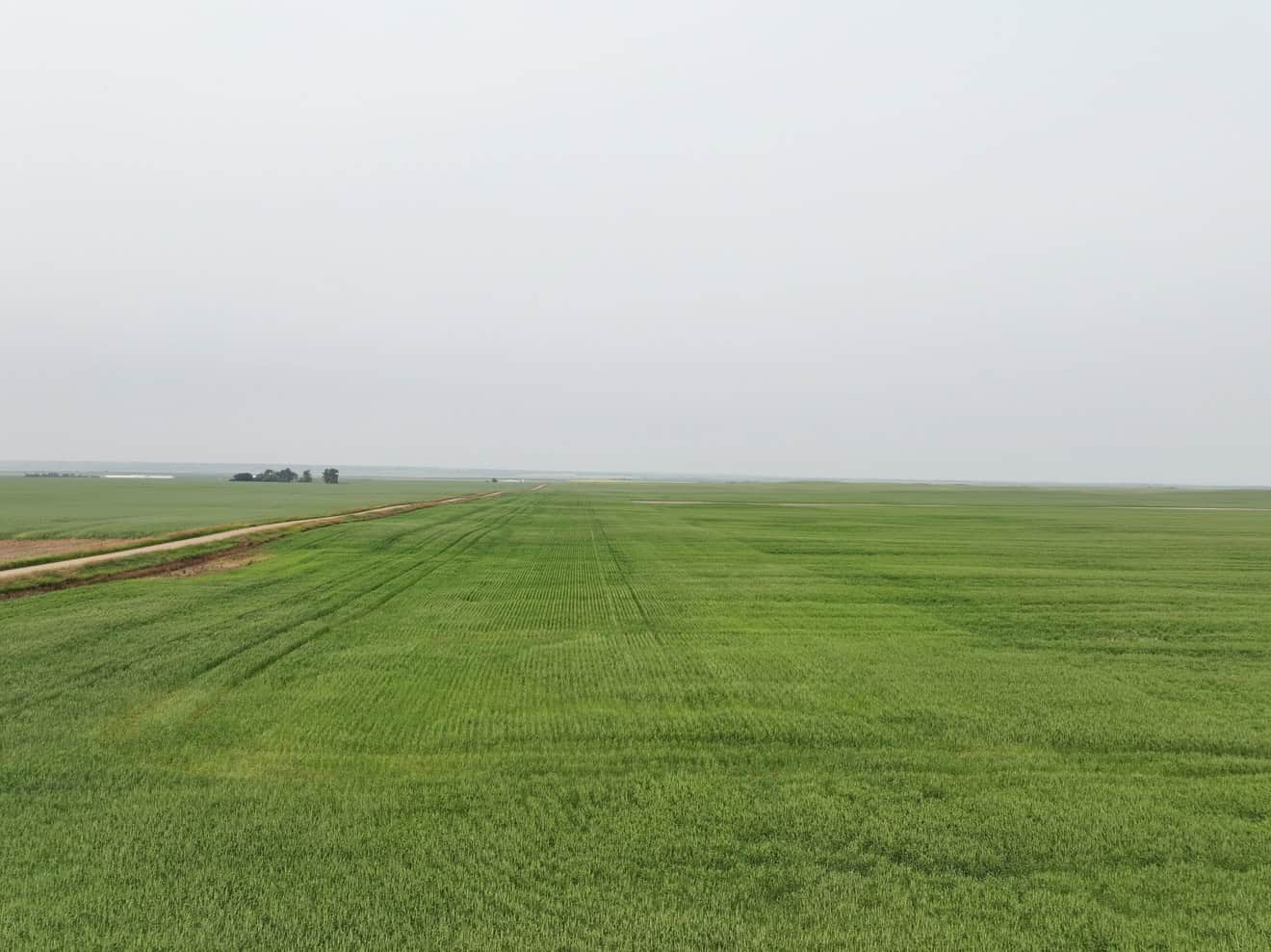
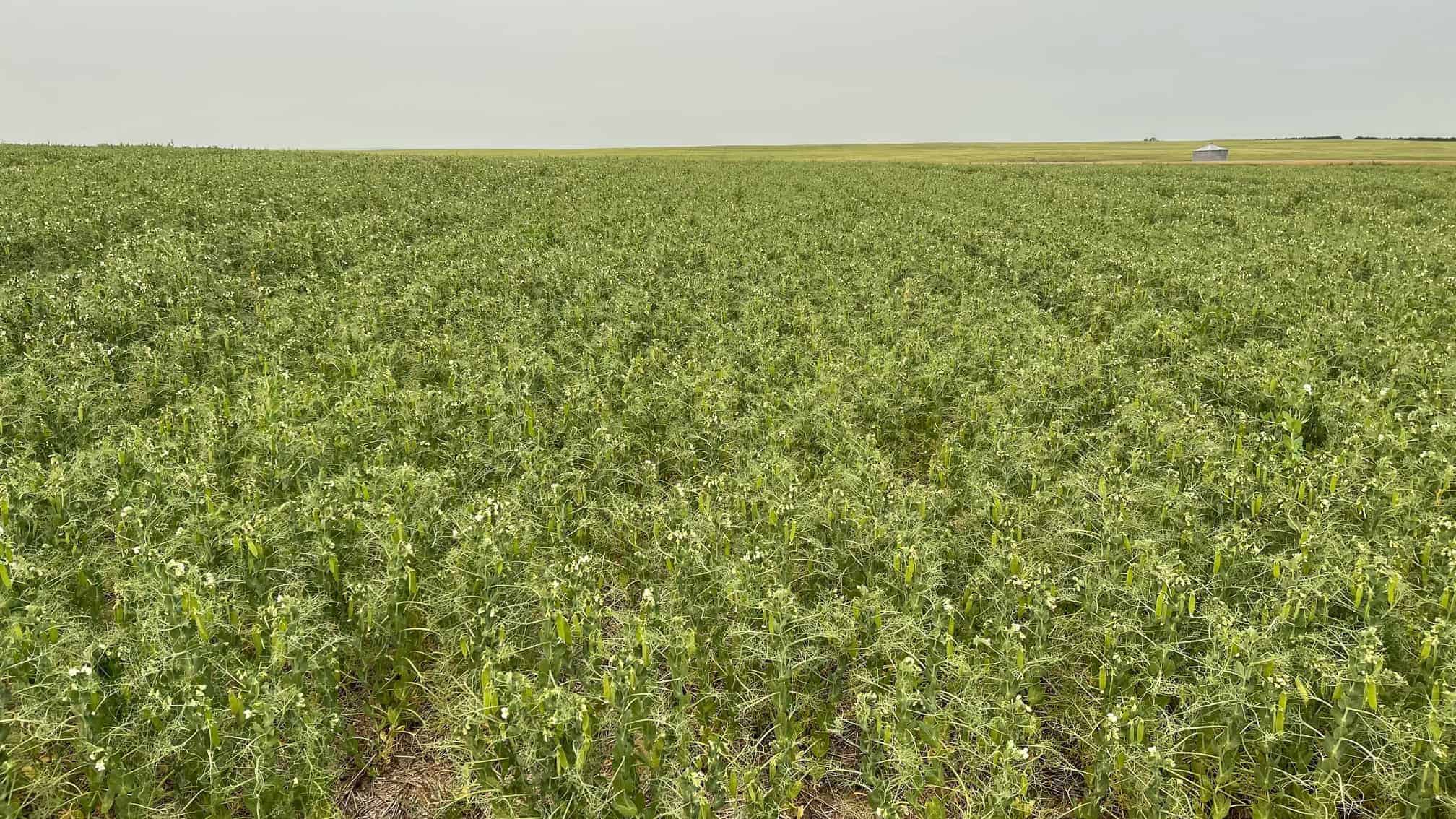
This offering presents a total of 562.49 acres across four well-located parcels in the Rural Municipalities of Canaan No. 225 and Coteau No. 255, just minutes from Lucky Lake and Highway 42.
These parcels offer a strong mix of cultivated land, efficient field layouts, and excellent access, making them well suited for a range of farming operations or as an expansion to an existing land base.
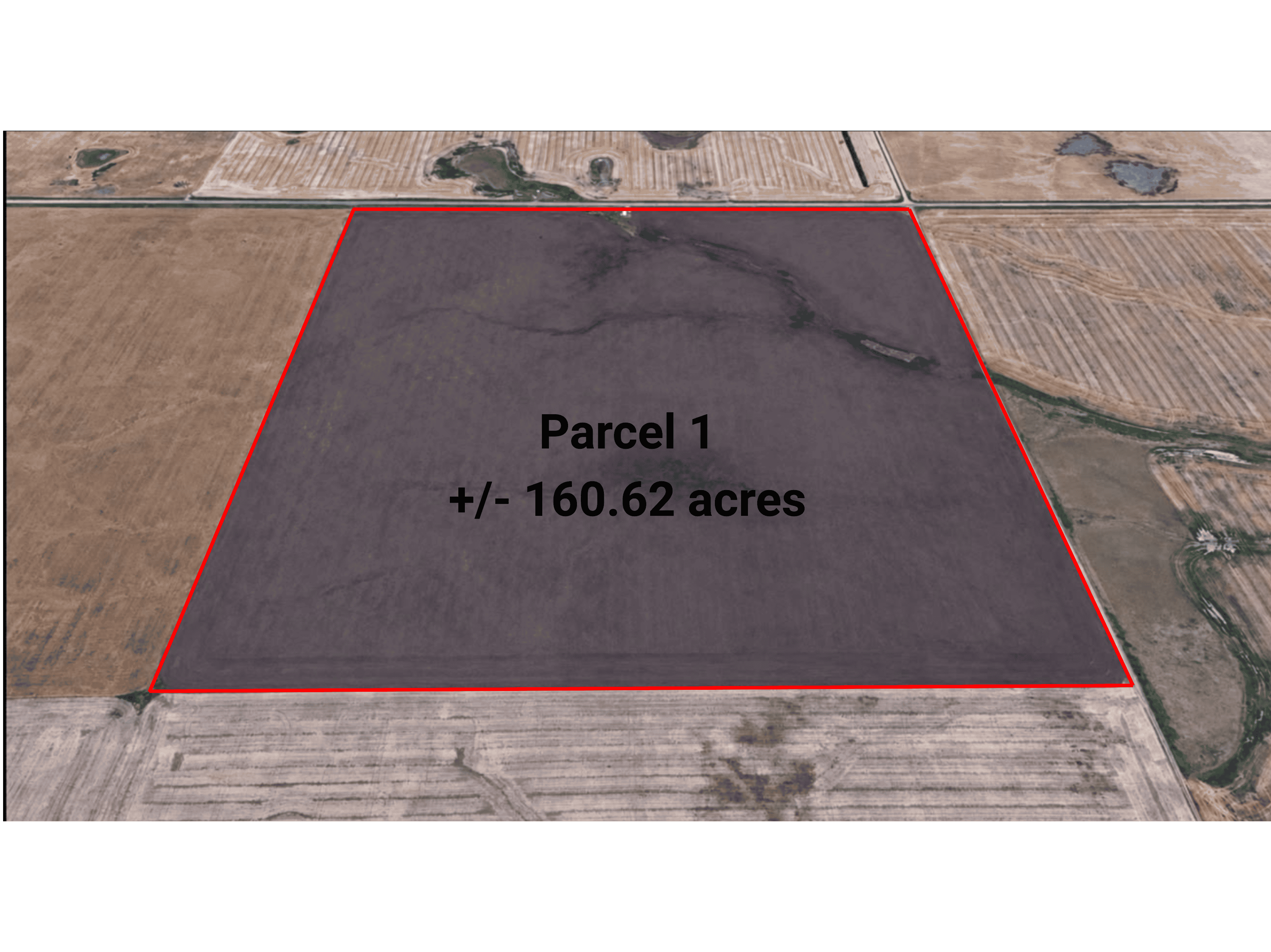
PARCEL 1: NE-22-23-08-W3
160.62 Titled Acres | ~140 Cultivated Acres
Nice, square quarter with efficient farming potential and direct Highway 42 access.
Soil Class: SCIC Class J
Assessed Value: $239,200
2025 Wheat: 59 bu/ac
2024 Barley: 72 bu/ac
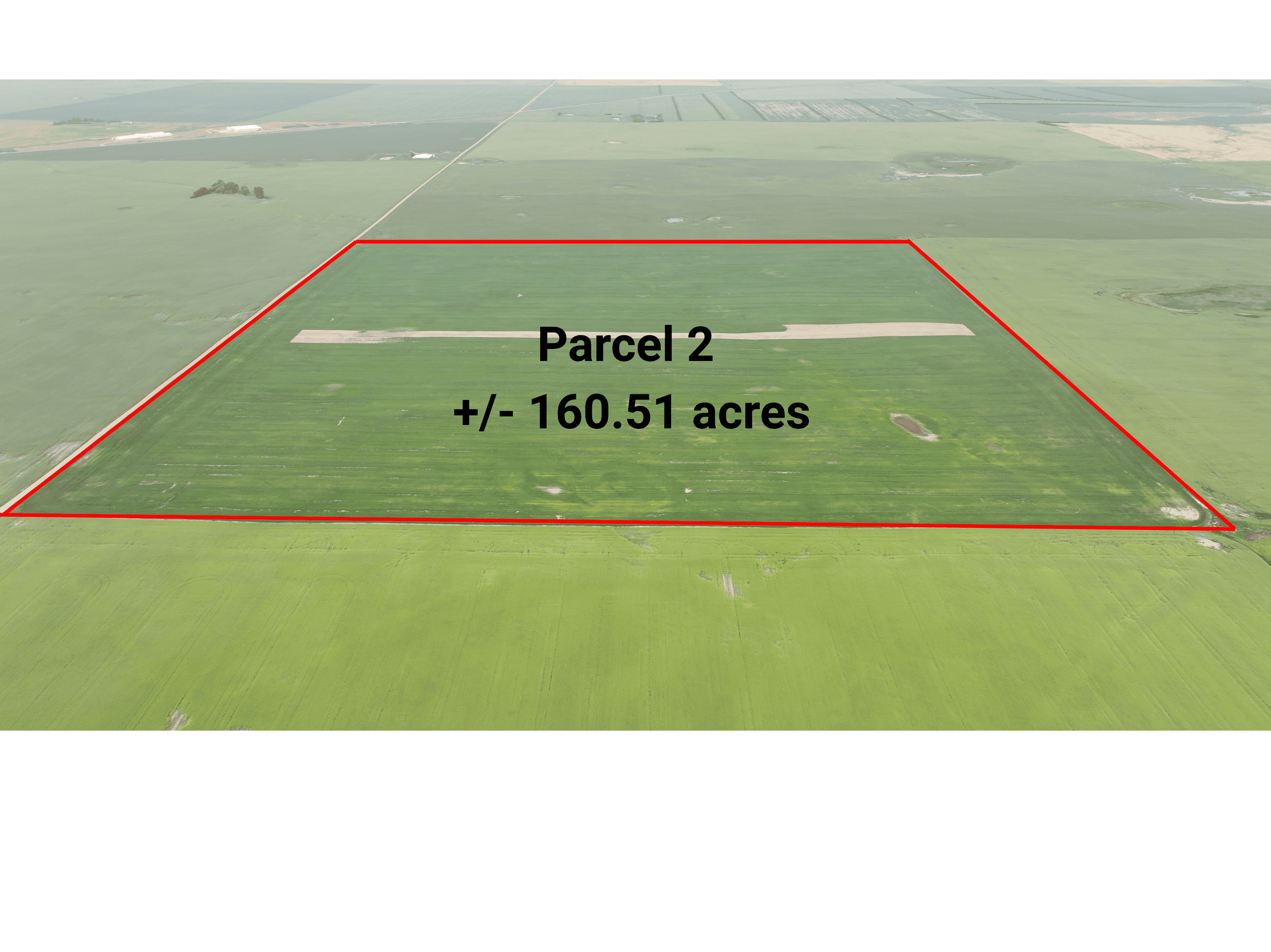
PARCEL 2: NW-28-23-08-W3
160.51 Titled Acres | ~157 Cultivated Acres
Highly productive parcel with excellent cultivated ratio and strong access.
Soil Class: SCIC Class J
Assessed Value: $279,100
Adjacent to Greenbrier Irrigation Project (irrigation potential)
2025 Canola: 62 bu/ac
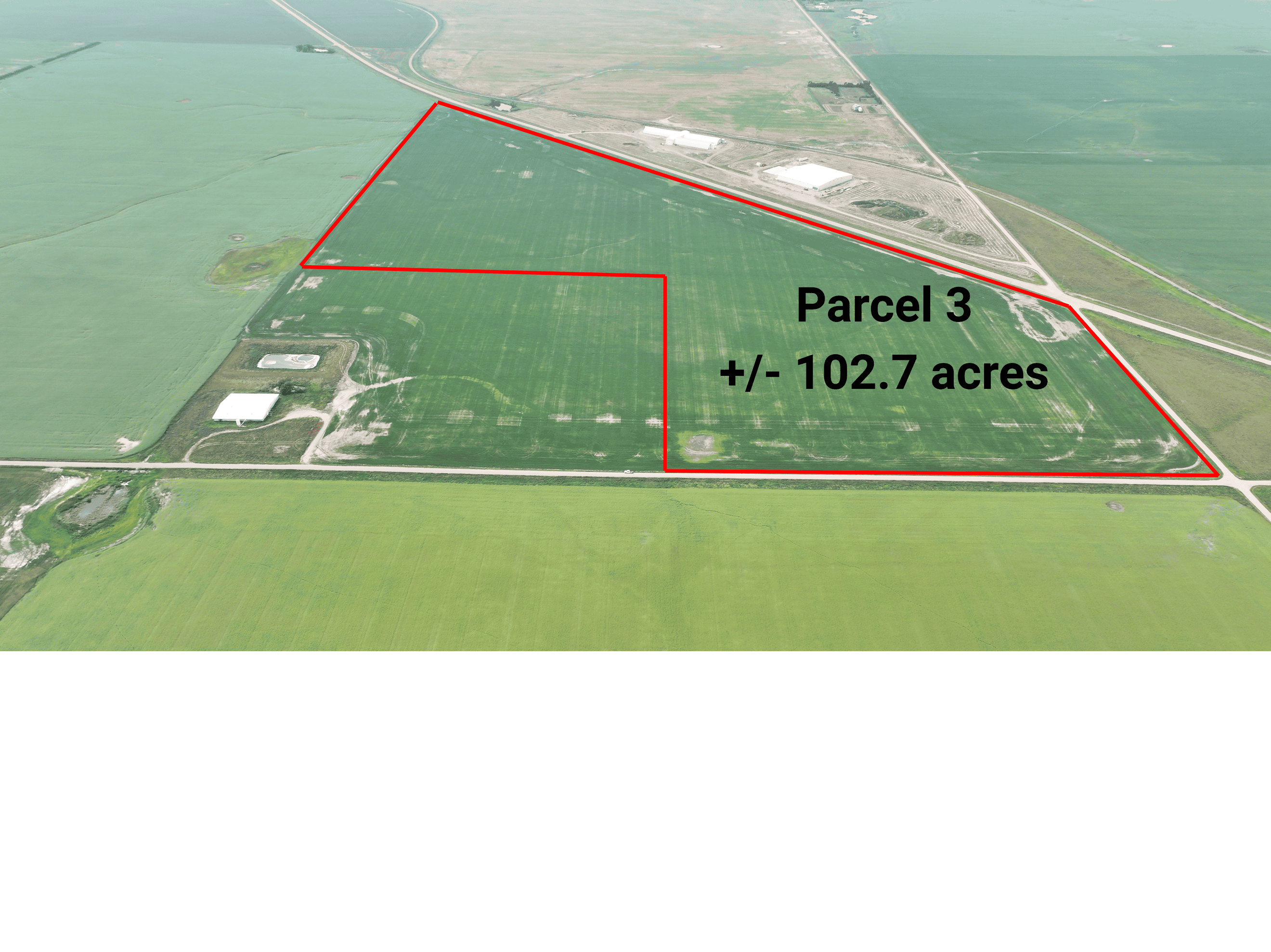
PARCEL 3: NE & NW-32-23-08-W3
102.70 Titled Acres (2 Titles) | Fully Cultivated
Part of a larger ~150-acre field historically farmed as one unit.
Soil Class: SCIC Class G
Assessed Value: $206,900
Located along Highway 42, ~1 mile north of Lucky Lake
2025 Canola: 62 bu/ac
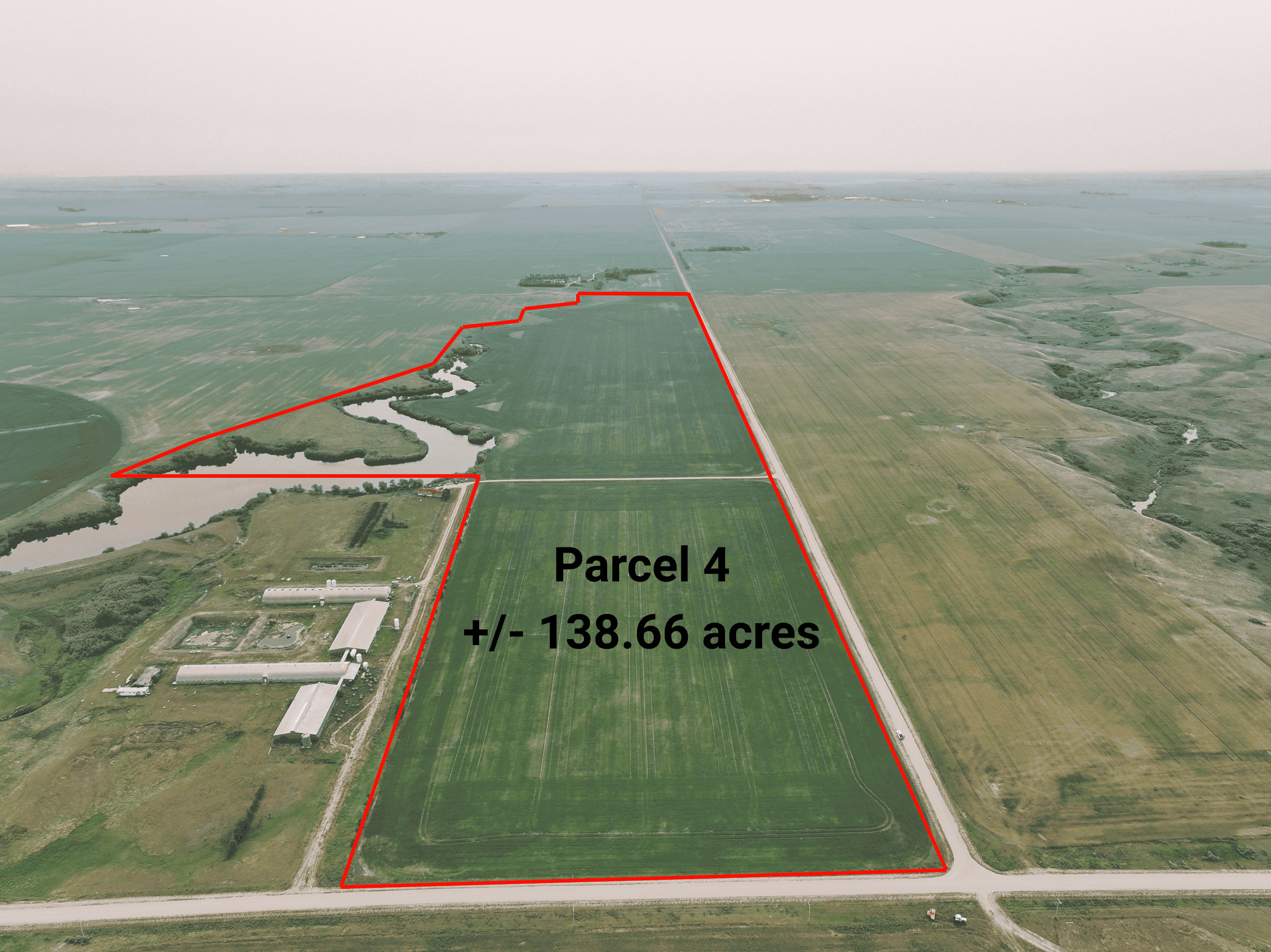
PARCEL 4: W½-07-24-08-W3
138.66 Titled Acres | ~109 Cultivated Acres
Versatile parcel with irrigation potential and specialty crop opportunities.
Soil Class: SCIC Class G & H
Assessed Value: $243,900
Existing water outlet from Luck Lake Irrigation District
Previously serviced by pivot
Ideal for crops such as berries or specialty agriculture
2025 Canola: 69 bu/ac
Property Highlights
Located along and near Highway 42
Close proximity to Lucky Lake & Lake Diefenbaker
Strong access and efficient field layouts
Mix of soil classes suitable for a variety of cropping operations
Irrigation potential on select parcels
A solid opportunity to acquire quality Saskatchewan farmland in a great agricultural region.
We strive to contact you within 48 hours.

Canada
Canada is one of the largest countries in the world, stretching between the Arctic Ocean, the Atlantic Ocean, and the Pacific Ocean. With a total area of 9,970,610 square kilometers, it is 280 times larger than the Netherlands. The extreme distance from east to west is 5,500 km, and from north to south, it's 4,600 km. Canada is a country with vast natural beauty, featuring mountains (Rocky Mountains), lakes, rivers, prairies, and forests. It consists of 10 provinces and 3 territories. As a member of the British Commonwealth, Canada remains under the sovereignty of the British monarch, although it is practically independent. The provincial government assists the federal government in Canada and is primarily responsible for matters directly affecting residents, such as personal and corporate income taxes, provincial sales taxes, and land transfer taxes.
The majority of the 37.5 million inhabitants live near the southern border, where Canada’s major cities like Montreal, Toronto, Calgary, Vancouver, and Ottawa (the capital) are located. Around 70% of the population resides in urban centers. Canada's population is a mixture of various nationalities, resulting from the influx of many immigrants. About 50% of the Canadian population has Western European origins. The original inhabitants of Canada are Indigenous peoples, including First Nations, Inuit, and Métis.